


 For all latest news, follow the Daily Sun's Google News channel.


Plan International Bangladesh calls for health-centred action to end child marriage
Daily Sun Report, Dhaka
Published: 12 Nov 2025, 05:30 PM
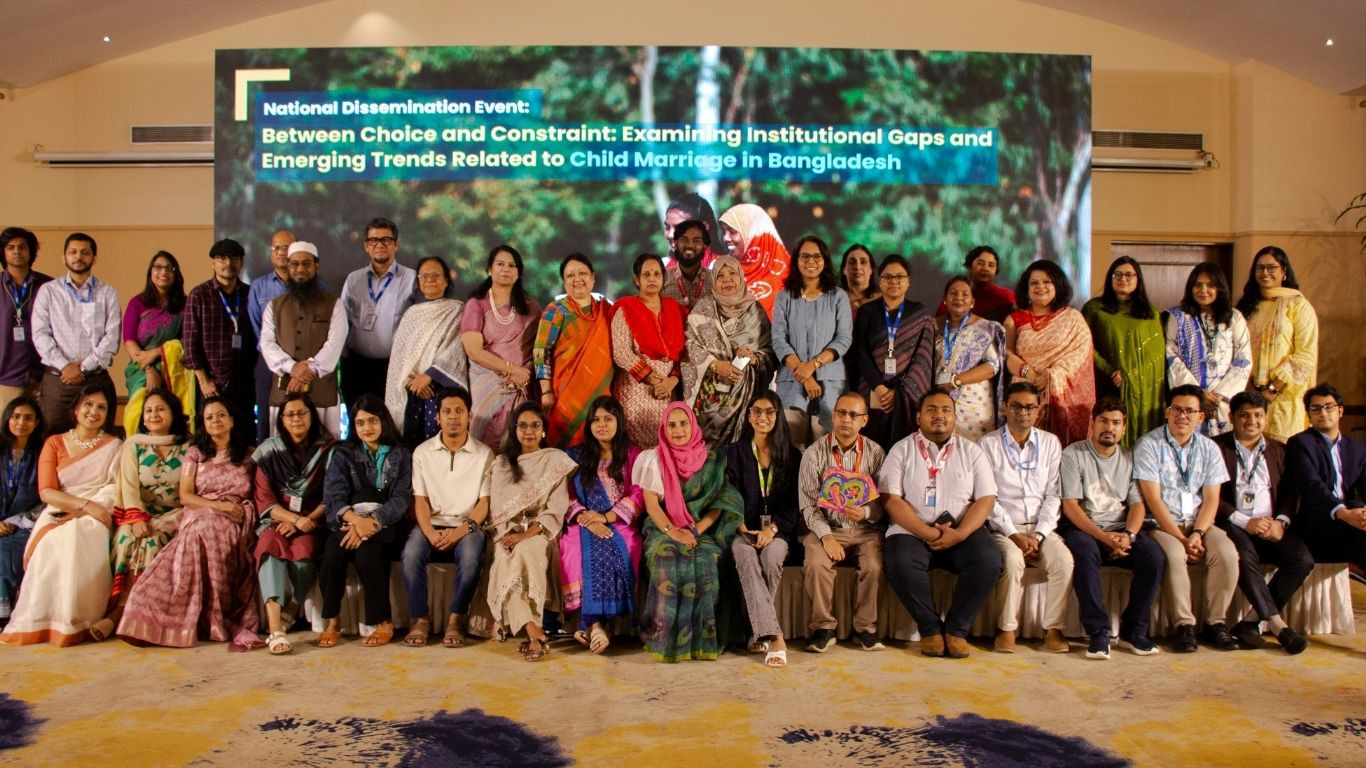
Photo: Courtesy
Plan International Bangladesh has called for stronger, health-centred, and coordinated interventions to tackle child marriage, highlighting emerging trends that are reshaping the practice in the country.
A recent national study presented at a dissemination event, titled “Between Choice and Constraint: Examining Institutional Gaps and Emerging Trends Related to Child Marriage in Bangladesh,” reveals a worrying rise in self-initiated child marriages, particularly in urban settlements and climate-vulnerable areas.
The study shows that adolescents, especially girls, are increasingly choosing to marry early without fully understanding the physical and emotional consequences. In urban slums like Dholpur, Dhaka, 32% of girls’ marriages and 11% of boys’ marriages were self-initiated, with most initiated by boys. Nearly half of newly married girls become pregnant within a year, increasing risks of obstetric complications and perinatal mortality. The vulnerabilities are exacerbated by weak marriage registration systems, falsified birth records, and climate-related livelihood insecurities that push families towards early marriage.
The dissemination event brought together representatives from the Ministry of Women and Children Affairs, Department of Youth Development, UNICEF, academia, civil society, and youth organisations to discuss institutional accountability and collaborative action.
Kabita Bose, Country Director of Plan International Bangladesh, stressed the need for special focus on girls, noting their comparative deprivation and higher exposure to violence.
Dr Taslima Yasmin, Associate Professor of Law at Dhaka University, emphasised that legal frameworks like the Child Marriage Restraint Act 2017 must be applied carefully when adolescents themselves choose marriage, ensuring children’s rights are not violated.
Md Faruk Hossain, Joint Commissioner of Police, highlighted the importance of law enforcement and community coordination to prevent early marriages.
Youth representatives and faith-based organisations underscored the role of young people and religious leaders as agents of change in transforming community norms.
Key recommendations include strengthening Child Marriage Prevention Committees (CMPCs) at all administrative levels, reframing awareness campaigns to emphasise health risks, promoting positive parenting, digital reforms in marriage registration, improved sexual and reproductive health services, and livelihood support in climate-affected areas.
Plan International Bangladesh reaffirmed its commitment to working with government, development partners, and communities to ensure every girl can learn, lead, decide, and thrive in a society free from child marriage and gender inequality.