


 For all latest news, follow the Daily Sun's Google News channel.


Bangladesh-India relations balanced, based on mutual respect: Press Wing
Diplomatic ties with key countries have been strengthened
Daily Sun Report, Dhaka
Published: 16 Feb 2026, 07:40 PM
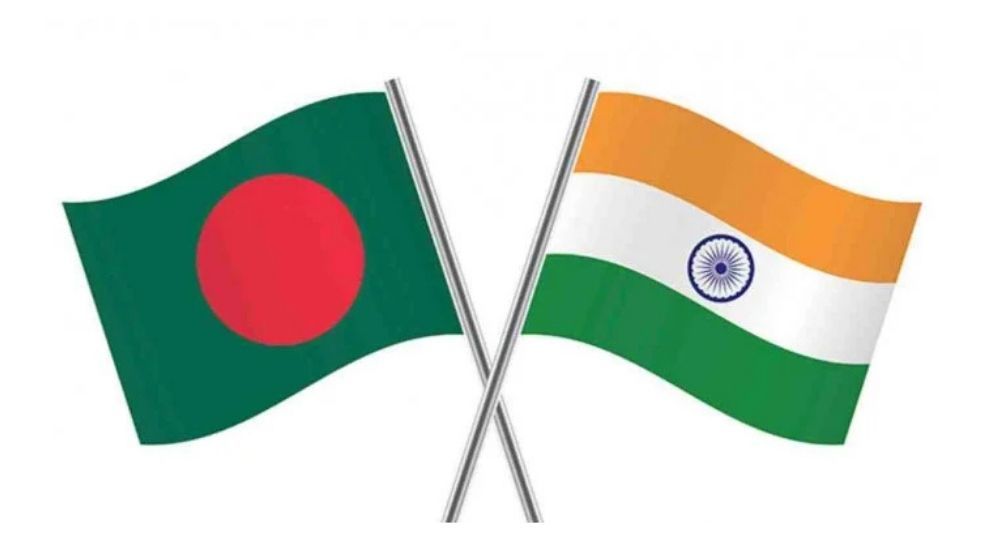
The Press Wing of the Chief Adviser’s Office has said that relations with India have become balanced on the basis of mutual respect during the tenure of the interim government.
It also noted that while the damage of 16 years
cannot be repaired in 18 months, the country has firmly moved away from
authoritarian practices and is now progressing toward a democratic future.
The statement was issued on Monday by the Chief
Adviser’s Office.
According to the statement, Bangladesh entered a new
chapter on 5 August 2024, when a new generation of youth took to the streets
against fascism.
Following 16 years of repression, an interim
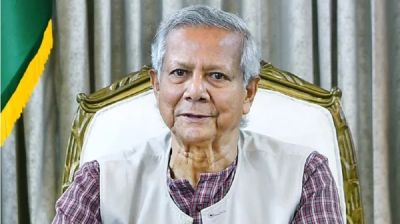
government was formed under the leadership of Prof Muhammad Yunus through the
July mass uprising to steer the country out of crisis.
At the time, the state was facing economic turmoil
and severe institutional weaknesses. Years of corruption and misgovernance had
weakened public institutions, while looting and capital flight had left the
banking sector in distress. Public trust in law enforcement agencies had
eroded, and confidence in the judiciary was also low.
Against this backdrop, the interim government formed
several reform commissions comprising experts. Based on their recommendations,
along with its own initiatives, the government launched realistic legal and
institutional reform measures aimed at rebuilding the state and restoring
democratic foundations.
Highlighting its activities, the Press Wing said that
over the past 18 months, the government has enacted around 130 laws—both new
and amended—and issued more than 600 executive orders necessary for
institutional reform.
Of these measures, approximately 84% have already
been implemented.
The statement also noted significant progress in the
economy and foreign relations. An economic partnership agreement with Japan has
granted duty-free access to about 7,400 Bangladeshi products.
Cooperation with China has resulted in extended loan
tenures, improvements in health infrastructure, and enhanced flood forecasting
systems. Talks with the United States have reduced tariff rates from 37% to 19%.
Diplomatic ties with key countries have been
strengthened, and relations with India have become balanced on the basis of
mutual respect, the statement said.
In the financial sector, banking supervision has
been reinforced. Transparency in procurement processes has been increased
across 42 ministries, and the Bangladesh Bureau of Statistics has been granted
greater independence in publishing data.
As part of reforms in law enforcement agencies, more
than 1,200 officials have been temporarily suspended, and human rights-based
training programmes have been introduced.
The Rapid Action Battalion has been restructured and
renamed the Special Intervention Force. Judicial independence has been
restored, merit-based appointments of judges have been ensured, and executive
interference has ended.
The government has also withdrawn politically
motivated cases against journalists and reopened media outlets that had been
shut down, restoring press freedom.
The Press Wing concluded that these reforms mark
only the beginning of building a citizen-friendly state structure. Although the
damage of 16 years cannot be undone in 18 months, the country is steadily
moving away from authoritarian practices and advancing toward a democratic
future.