


 For all latest news, follow the Daily Sun's Google News channel.


Unregulated chicken market leaves consumers bearing the brunt
Greed drives price surge in Sonali Chicken
Daily Sun Report, Dhaka
Published: 13 Apr 2026, 10:58 AM
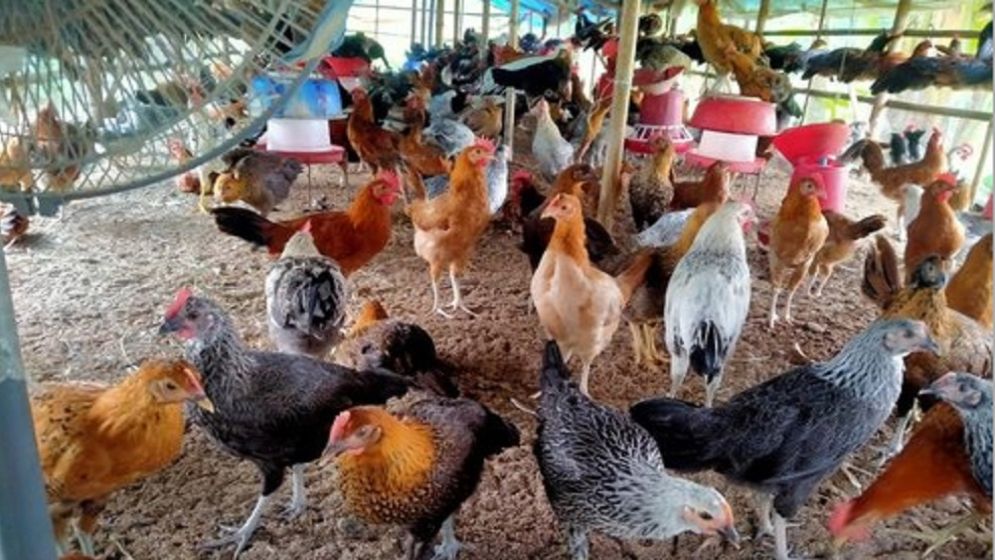
Sonali Chicken. Photo: Collected
For Bengalis, the first day of the year—Pohela Boishakh—is synonymous with special meals shared with family. Yet this year, deciding what to cook has become a difficult exercise for many households. Amid soaring prices, even modest culinary indulgences now strain the middle-class budget. Traditional dishes such as panta-ilish are increasingly out of reach, with many families turning instead to rice with chicken curry.
However, even that alternative is no longer affordable. Native (local) chicken has become scarce, and its substitute—farm-produced Sonali chicken—has itself witnessed a sharp price hike, making it increasingly inaccessible.
A Sudden Price Surge
Just a month ago, Sonali chicken was a relatively affordable source of protein for middle-income consumers. Prices ranged between Tk280 and Tk310 per kilogram. Within weeks, however, prices surged dramatically to Tk410–440 per kilogram, with no clear explanation offered.
An investigation reveals a complex chain of excessive profiteering involving multiple layers of the poultry supply system, from corporate producers to intermediaries and retailers.
Five-Tier Supply Chain Inflates Prices
At the forefront of the system are large corporate poultry companies, which dominate the production of chicks, feed and medicines. These companies are followed by four additional tiers—farmers, middlemen, wholesalers and retailers—each adding their own margin.
Consumers, however, are left with little clarity, as stakeholders at each level shift blame onto others while justifying price increases with various arguments.
Corporate Influence and Chick Price Hike
Investigations show that the Sonali chickens currently in the market were raised from chicks purchased about two months ago. At that time, the price of one-day-old chicks rose sharply from Tk30–35 to Tk45–55 each.
According to industry insiders, this increase was triggered by a bird flu outbreak, which caused widespread poultry deaths and drove up demand for chicks.
Bangladesh Poultry Association sources estimate that around 8–10 large corporate groups dominate the poultry sector, while roughly 300 companies operate across various scales. These corporations exert significant control over pricing in the supply chain.
Farmers Struggle to Recover Losses
Bangladesh once had around 160,000 poultry farms, but that number has now declined to approximately 60,000–70,000 due to ongoing challenges.
Farmers typically raise chickens for two months after purchasing chicks. Production costs—including feed, medicine and other inputs—now stand at around Tk260–270 per kilogram. Earlier in March, farmers sold Sonali chicken at Tk280–300 per kg, but prices at the farm level rose to Tk330–340 by early April.
Farmers argue that they have been forced to increase prices to recover losses incurred during the recent bird flu outbreak. However, they insist that the bulk of price inflation occurs after the farm stage.
Middlemen Drive Major Price Hikes
Farmers across districts including Gazipur, Mymensingh and Kishoreganj report selling chickens at Tk320–350 per kg, yet retail prices exceed Tk400. They attribute this gap to intermediaries who significantly increase prices during distribution.
Middlemen cite rising transportation costs and reduced supply as reasons. They claim that fuel shortages and longer collection routes have pushed up per-unit costs by up to 20 per cent.
Wholesale and Retail Margins Add Further Pressure
At wholesale markets, Sonali chicken is sold at Tk390–400 per kg, before retailers add margins of Tk30–50. In Dhaka’s markets, retail prices now range between Tk410 and Tk450 per kg.
Retailers say reduced supply and declining sales volumes have forced them to increase profit margins to stay afloat.
Evidence of Market Manipulation
A key indicator of possible manipulation lies in the relatively stable price of broiler chicken. Despite also being affected by bird flu, broiler prices have increased only marginally—by Tk10–15 per kg.
Industry observers argue that the shorter production cycle of broilers (15–20 days) ensures steady supply, preventing price manipulation. In contrast, Sonali chicken—requiring around two months to mature—has become a target for speculative pricing, particularly ahead of Pohela Boishakh when demand peaks.
Blame Game Among Stakeholders
Industry stakeholders acknowledge growing corporate dominance in the poultry sector, particularly in the supply of chicks, feed and medicines. This has increased production costs for small and medium-scale farmers.
Md Suman Howlader, President of the Bangladesh Poultry Association, alleges that corporate groups exploit demand cycles to raise input prices, placing pressure on farmers and indirectly increasing retail prices.
Corporate representatives, however, reject these claims, citing rising global import costs and logistical challenges. Feed producers argue that increased raw material prices and port delays have forced them to raise feed prices by around 3 per cent.
Calls for Government Intervention
Consumer rights advocates, including leaders from the Consumer Association of Bangladesh, describe the price hikes as abnormal and driven by a combination of corporate control and opportunistic intermediaries.
They stress the urgent need for government monitoring, accountability and enforcement to prevent artificial price inflation. Experts also recommend ensuring transparency in the supply chain, regulating intermediaries, and providing financial and technical support to farmers.
A Growing Concern for Consumers
Experts warn that without timely intervention, the poultry sector could face a prolonged crisis. The greatest burden, they caution, will fall on ordinary consumers, for whom Sonali chicken has long been a relatively affordable source of protein.
Source: Kaler Kantho