


 For all latest news, follow the Daily Sun's Google News channel.


Medicine prices may rise amid power, fuel crisis
Production of 60% of essential medicines halted as costs squeeze pharma industry
Daily Sun Report, Dhaka
Published: 24 Aug 2026, 10:57 PM
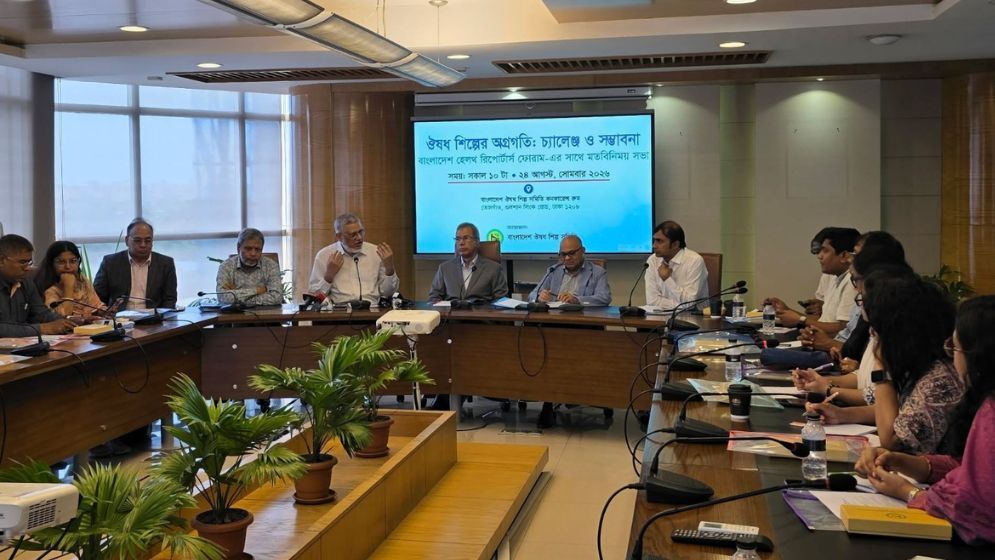
Photo: Courtesy
Medicine prices may rise as Bangladesh’s pharmaceutical manufacturers struggle to absorb soaring production costs amid an ongoing power and fuel crisis, industry leaders said on Monday.
They said production of nearly 60% of the 117 medicines listed as essential has already been halted because existing prices no longer cover production costs, forcing patients to rely on costlier alternatives.
Speaking at a discussion titled “Progress of the Pharmaceutical Industry: Challenges and Prospects” at the Bangladesh Association of Pharmaceutical Industries (BAPI) office in Tejgaon, they called for a transparent and regular mechanism to adjust medicine prices.
Dr Zakir Hossain, former BAPI secretary general and managing director of Delta Pharma Ltd, said essential medicine prices had been adjusted only twice in 32 years despite rising inflation, dollar exchange rates, wages and production costs.
“Medicine prices should be reviewed regularly through a proper and transparent mechanism,” he said, adding that automatic adjustments could ensure sustainable production.
BAPI Vice-President M Mosaddek Hossain said the 1994 National Drug Policy had helped develop the pharmaceutical sector. Of the 117 medicines initially listed as essential, 19 were not registered for production, while efforts were made to ensure the availability of the remaining 98. However, manufacturers can no longer recover production costs for many of them, resulting in the suspension of around 60% of their production.
BAPI Secretary General Muhammad Halimuzzaman said gas and electricity shortages were further increasing costs. Factories often have to rely on generators, large UPS systems and alternative fuels. Electricity that previously cost about Tk15 to generate can now cost nearly Tk42 through alternative arrangements, he said.
He added that production cannot simply be stopped midway as interruptions can damage finished products, raw materials and other inputs.
Dr Zakir said ensuring affordable access to essential medicines was ultimately the government’s responsibility. He suggested subsidies or government procurement, while proposing that state-owned Essential Drugs Company Limited produce essential medicines for free or subsidised distribution through public hospitals.
Industry leaders urged policymakers to consider raw-material costs, exchange rates, inflation, wages, electricity and fuel prices when setting medicine prices.