


 For all latest news, follow the Daily Sun's Google News channel.


Qatar to become top US LNG buyer amid Iran war
QatarEnergy signs deals for 7m tonnes annually as attacks on gas facilities and Hormuz disruptions threaten exports
Daily Sun Report, Dhaka
Published: 09 Nov 2026, 12:00 AM
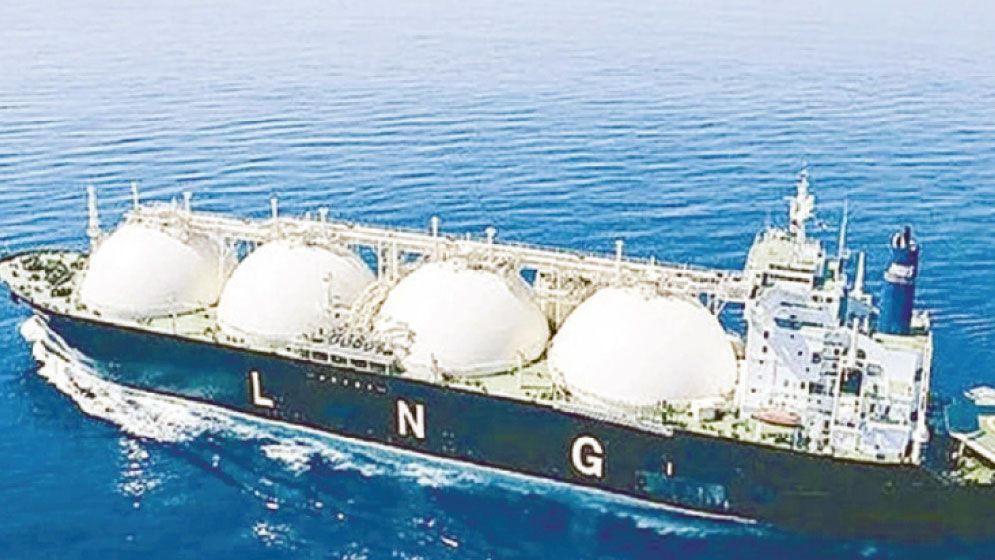
Qatar is set to become the largest foreign buyer of liquefied natural gas (LNG) from the United States after signing long-term supply agreements totaling seven million tonnes per year.
This strategic shift comes as ongoing regional conflicts and disruptions to the Strait of Hormuz push the Gulf nation to diversify its international energy portfolio.
State-owned QatarEnergy has secured an agreement with US-based Cheniere Energy to purchase up to four million tonnes annually from its Sabine Pass and Corpus Christi export facilities, with deliveries scheduled to run from 2031 through 2054.
Additionally, QatarEnergy signed a 20-year agreement with Australia’s Woodside Energy to buy three million tonnes annually from its Louisiana LNG project currently under construction, with those deliveries beginning in 2030.
Together, these contracts establish QatarEnergy as a major portfolio buyer of US LNG, ensuring the company can fulfill global supply commitments despite domestic production risks.
These deals follow severe challenges to Qatar’s domestic LNG industry, including Iranian missile strikes on the Ras Laffan industrial facilities and prolonged maritime disruptions through the Strait of Hormuz.
QatarEnergy President and CEO Saad Sherida Al-Kaabi emphasised that the additional volumes reinforce the company’s industry leadership and support its long-term growth and diversification strategy.
“Our expanding portfolio of US LNG purchases reinforces QatarEnergy’s leadership in the LNG industry and supports our long-term growth and diversification strategy,” he said.
According to Reuters, the attacks damaged two of Qatar’s 14 LNG production trains and one of its two gas-to-liquids facilities, reducing the country’s LNG export capacity by 17%.
QatarEnergy estimates that the damage could result in around US$20 billion in lost annual revenue, while repairs to the affected facilities could take three to five years.
The disruptions have also forced the company to declare force majeure on some long-term LNG supply contracts, affecting customers in Europe and Asia.
The Strait of Hormuz, a crucial shipping route for global energy supplies, remains a major bottleneck for Qatar’s LNG exports, restricting its ability to deliver contracted volumes to international buyers.
Qatar, the world’s second-largest LNG exporter before the conflict, is seeking to strengthen its access to US supplies to maintain its position in the global market and support its long-term supply commitments.
The agreements also reflect QatarEnergy’s broader strategy to expand its international LNG trading portfolio and reduce its dependence on exports passing through the Gulf.
However, the new US supplies will not provide immediate relief from the current disruptions, as deliveries are scheduled to begin only in 2030 and 2031.
The deals also underscore the growing importance of the United States in the global LNG market.
The US overtook Qatar as the world’s largest LNG exporter earlier this decade, while Qatar has been pursuing an ambitious expansion of its North Field production capacity.
By securing additional supplies from US facilities, QatarEnergy aims to diversify its supply sources, strengthen its global trading position and reduce its exposure to geopolitical disruptions.