


 For all latest news, follow the Daily Sun's Google News channel.


BB Governor vows support for entrepreneurs to reopen closed factories
Daily Sun Report, Dhaka
Published: 30 Mar 2026, 11:26 AM
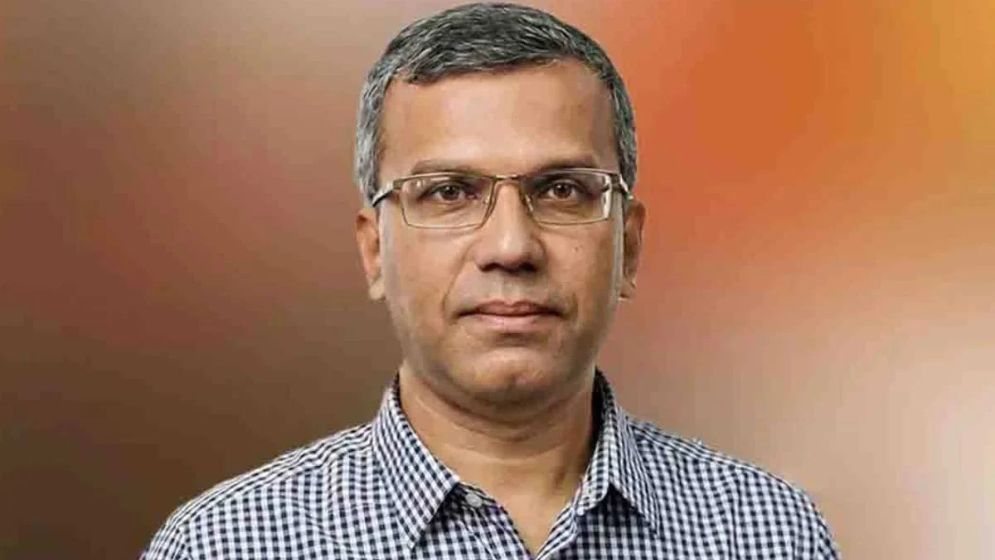
Bangladesh Bank Governor Md Mostaqur Rahman. Photo: Collected
Bangladesh Bank (BB) Governor Md Mostaqur Rahman has said the central bank will stand by efforts to reopen closed factories and resolve challenges faced by private sector entrepreneurs. He noted that while some factories had shut down earlier, more closures have occurred since 5 August.
“We are prioritising how these factories can be brought back into production,” he said, adding that banks are being encouraged to support such initiatives so that businesses can resume operations, repay loans and contribute to economic growth. Otherwise, factory assets will continue to deteriorate and banks may fail to recover their funds.
The remarks were made on Sunday (29 March) at a meeting with business editors, senior journalists and leaders of the Economic Reporters’ Forum (ERF) at Bangladesh Bank headquarters in Dhaka.
The Governor also sought journalists’ views on the overall macroeconomic situation, while deputy governors highlighted risks associated with prolonged global conflicts.
He emphasised that Bangladesh Bank is working alongside the government to build investor confidence and boost investment. The central bank is also engaging with major entrepreneurs to address their concerns.
Commitment to Depoliticising the Financial Sector
The Governor stressed the need to keep the financial sector free from political influence. “We want to learn from past mistakes and bring change. There should be no political interference in the banking sector,” he said, adding that he is willing to shoulder any pressure to ensure this.
Efforts to Recover Laundered Funds
Rahman acknowledged the global challenges in recovering laundered money but said Bangladesh Bank is pursuing all possible measures. He noted that such funds belong to depositors and efforts are under way to return them as quickly as possible. Legal initiatives have been taken in collaboration with international asset recovery and litigation financing firms.
Startup Fund and Employment
A Tk 6 billion startup fund is set to begin disbursement in June, aimed at supporting employment generation. The Governor said the fund is expected to be launched in April, with priority given to startups that create jobs.
He also highlighted the need to expand domestic demand, beginning with the rural economy, and expressed concern over the tax-to-GDP ratio, which remains below 7 percent.
Banking Reforms and Service Standards
Referring to the consolidated Islamic bank, he said there is no scope to step back, adding that the process of appointing a managing director and chairman is under way. Emphasis is being placed on professional management and improved service standards in line with Bangladesh Bank guidelines.
Preparedness for Middle East Crisis
Bangladesh Bank has outlined policy measures and contingency plans to address potential economic impacts of ongoing tensions in the Middle East, particularly a possible Iran conflict. The central bank said foreign exchange reserves are sufficient to cover import costs for up to three to four months, even if the conflict persists.
Exchange rates are expected to remain stable, and steps are being taken to secure a $2 billion loan to ease balance of payments pressure. Remittance inflows could rise to between $2 billion and $2.5 billion around Eid-ul-Azha, while a $1.5 billion tranche from the IMF is expected in June.
The government is also exploring government-to-government arrangements to import fuel at lower cost or as grants.
Risks and Challenges
However, the Governor warned that a prolonged conflict could pose serious risks. Bangladeshi workers in the Middle East may lose jobs and return home, reducing remittance inflows and creating additional employment pressure domestically. There is also concern that IMF pressure to reduce fuel subsidies could fuel inflation, while weak revenue collection may strain the national budget.
Other Steps
Plans are underway to expand agricultural credit targets and introduce new refinancing schemes. From 1 July, the use of Bangla QR codes will be made mandatory to boost revenue collection.
The Governor also highlighted ongoing efforts to ensure accountability despite challenges such as sluggish investment, declining revenue trends and external uncertainties.