



 For all latest news, follow the Daily Sun's Google News channel.


Garment entrepreneurs place 11 demands amid wage revision
Proposals include single-digit lending rates, uninterrupted energy supply, simplified compliance and a separate ministry for the apparel sector
Daily Sun Report, Dhaka
Published: 07 Nov 2026, 11:50 PM
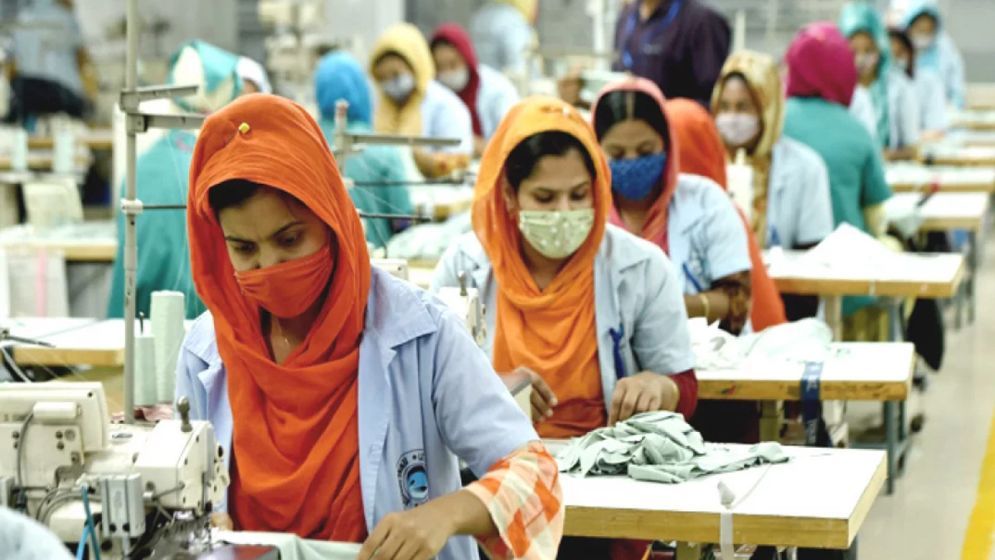
Photo: Collected
Garment industry entrepreneurs have placed an 11-point demand to the government, urging it to protect the sector's competitiveness, productivity and financial viability alongside any wage increase proposed by the newly formed wage board.
They said wage adjustments should take into account not only workers' demands but also the industry's capacity to absorb higher costs and the ability of factory owners to sustain their businesses.
Their demands include fixing product-specific minimum buying prices based on production costs, workers' wages and compliance expenses, and introducing piece-rate wages and enforcing the 'no work, no pay' principle in line with existing labour laws.
They called for reducing bank lending rates to single digits and establishing a joint monitoring cell involving Bangladesh Bank and the Bangladesh Garment Manufacturers and Exporters Association (BGMEA) to address difficulties in accessing loans and banking services.
The entrepreneurs also sought an integrated compliance system to replace separate inspections and audits by different agencies, with certificates remaining valid for at least three years.
They proposed extending the validity of government licences and approvals related to the industry to five years, subject to annual inspections.
Other demands include ending harassment and delays in customs, VAT and port operations, and ensuring transparency in buying-house commissions and financial security in business transactions.
They called for scrapping the Master L/C transfer facility through MT720 and making bank guarantees or acceptable security deposits mandatory against buying-house-mediated purchase and sales contracts to protect factories against payment defaults by original buyers.
The entrepreneurs also demanded greater transparency and accountability in workers' organisations, including disclosure of local offices and updated membership lists.
Their remaining proposals include establishing a separate ministry for the garment sector, introducing ration cards to supply essential commodities to workers, and providing state recognition to entrepreneurs for their contributions to the industry.
They also urged the government to ensure uninterrupted supplies of electricity, gas and other fuels to export-oriented factories, with compensation for losses caused by energy shortages, load-shedding or supply system failures.