



 For all latest news, follow the Daily Sun's Google News channel.


Will ‘push-in’ issue strain Bangladesh–India diplomatic relations?
State Minister for Foreign Affairs Shama Obaed Islam said Bangladesh has sent 12 to 13 letters to India protesting the push-in attempts
BBC Bangla, Dhaka
Published: 08 Jun 2026, 10:37 PM
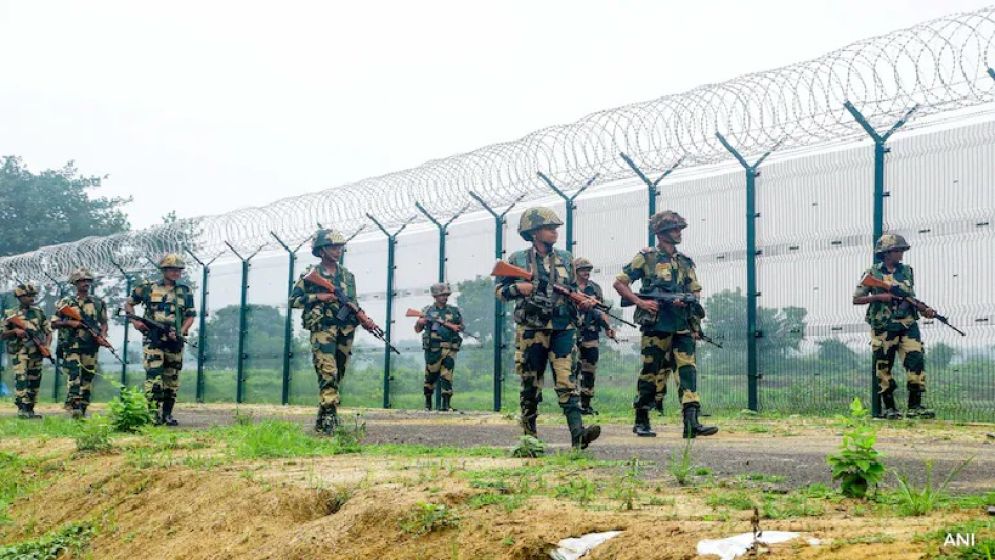
File Photo
The ongoing “push-in” incidents along the Bangladesh–India border have sparked fresh debate over whether they could undermine efforts to improve bilateral relations between the two countries, even as both sides engage in high-level diplomatic talks.
Border tensions escalated further after the Border
Guard Bangladesh (BGB) reported stopping another attempted push-in at Roumari
border in Kurigram on Sunday night. At the same time, India’s Border Security
Force (BSF) reportedly sent back groups of people gathered along the Panchagarh
and Thakurgaon borders after repeated failed attempts to push them into
Bangladesh, BBC Bangla reported.
These developments come as the 57th
director general-level meeting between BGB and BSF is underway in New Delhi,
where border management, illegal push-ins, and border killings are key agenda
items.
Indian West Bengal Chief Minister Suvendu Adhikari
has claimed that around 4,800 alleged undocumented migrants have already been
sent to Bangladesh, with another 836 reportedly held in holding centres
awaiting “push-back” procedures.
Amid rising tensions, questions are being raised in
both countries about why push-in attempts have increased at a time when Dhaka
and New Delhi are seeking to normalise relations following recent political
changes in Bangladesh and renewed diplomatic engagement.
State Minister for Foreign Affairs Shama Obaed Islam
said Bangladesh has sent 12 to 13 letters to India protesting the push-in
attempts and urged New Delhi to follow proper legal and diplomatic procedures
for repatriation of undocumented individuals.
“If India takes these incidents seriously, it will
help improve bilateral relations,” she said, adding that Bangladesh expects
India to address the issue through established diplomatic mechanisms.
Experts and former diplomats suggest the timing of
the incidents is significant, as both countries are preparing for discussions
on key unresolved issues such as the Teesta water-sharing agreement and the
Ganges treaty.
Analysts argue that the increased push-in activity
across multiple border points may reflect broader geopolitical signalling or
bargaining pressure ahead of negotiations.
However, officials in Dhaka maintain that the
government is handling the situation through diplomatic channels while
reinforcing vigilance at the border through increased BGB deployment across 26
districts.
While both sides continue to express interest in improving
ties, the recurring border incidents have added fresh strain to already
sensitive relations, raising uncertainty over whether ongoing diplomatic
efforts could be affected in the long term.