


 For all latest news, follow the Daily Sun's Google News channel.



Photo: Courtesy
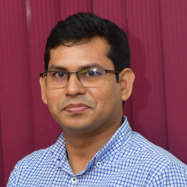
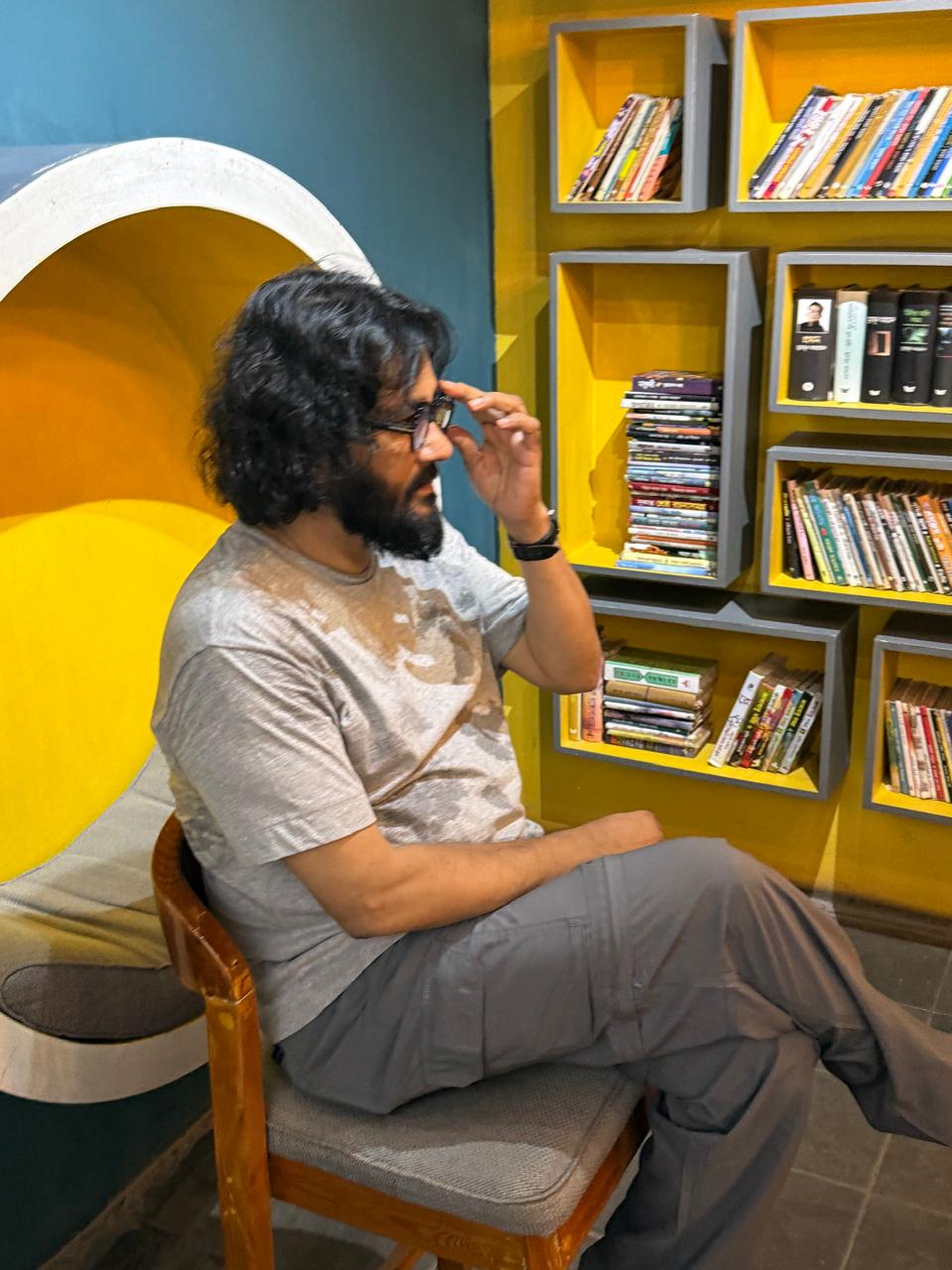
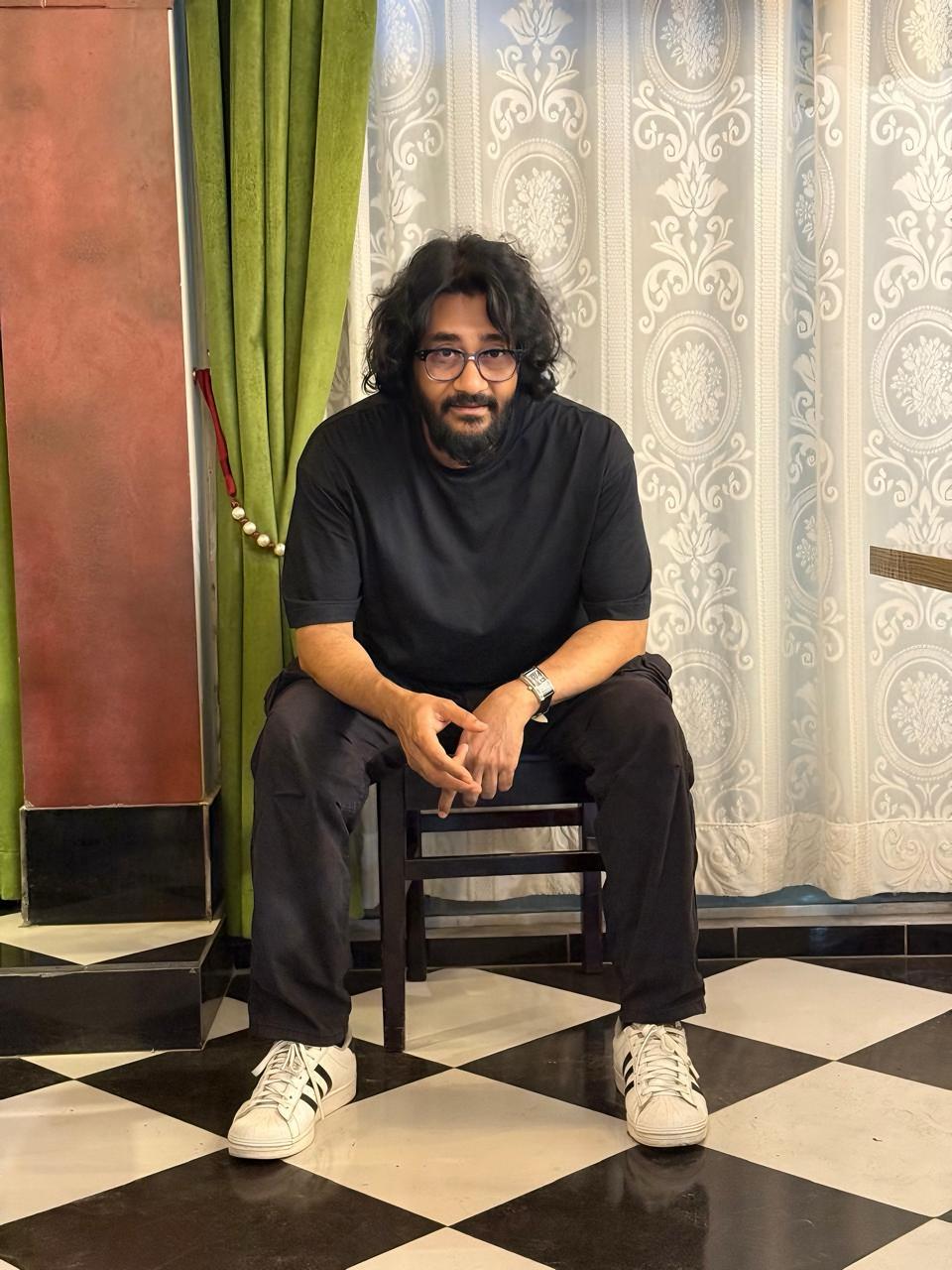
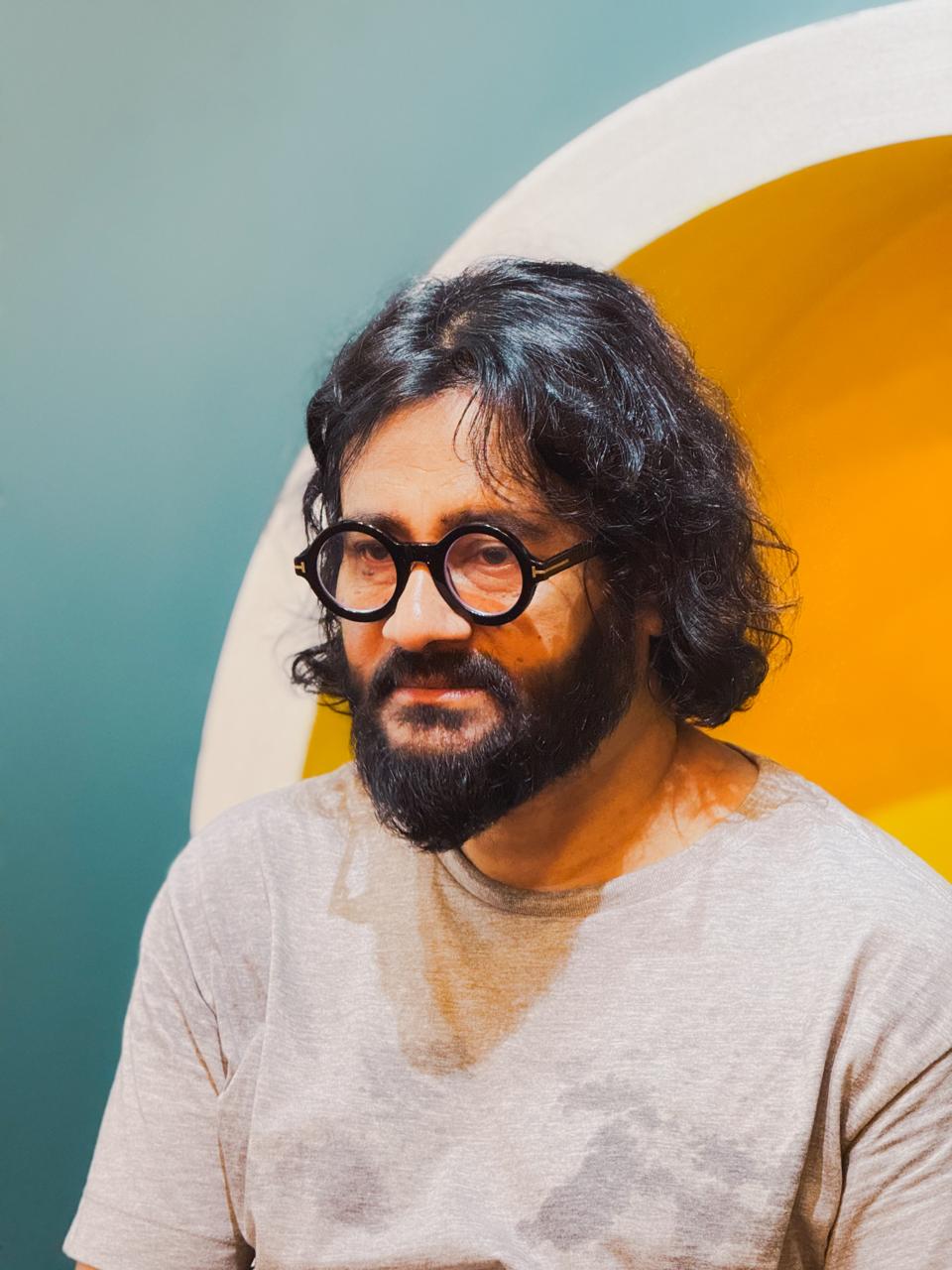
Lyricist, composer, and music director Prince Mahmud remains one of the most revered figures in Bangladesh’s music industry. A defining name of the 1990s, his songs continue to captivate audiences across generations. The creative force behind countless timeless hits, his works include “Belashesh Phire Ese” by Ayub Bachchu, “Ma,” “Baba”, “Bangladesh” by James, and “Eto Koshto Keno Bhalobasai” by Hasan, among many others. In the early 1990s, Prince Mahmud formed the band “From West”, serving as both lead vocalist and bandleader. Their debut album “She Kemon Maye” marked the beginning of his illustrious musical journey. Over the decades, through a series of unforgettable compositions, he has cemented his place as one of the country’s most gifted lyricists and composers. Recently, the Daily Sun’s Md Jahidul Islam caught up with the celebrated musician to discuss his ongoing projects, reflections on three decades in music, and his thoughts on the ever-evolving Bangladeshi music scene.
You have been working consistently for the past 30 years in the audio scene. How does it feel releasing new music every year?
I work purely for the love of music and creativity. Material gains have never been my concern. It’s the love from listeners that inspires me to release something new and different every year.
You’re known to be constantly engaged in various projects. What are you working on at the moment?
Right now, I’m working on a project featuring several band artistes. It’s quite time-consuming but very exciting. I’ve also nearly completed work on three films that were signed quite some time ago.
You began your journey as a vocalist. What led you to transition from singing to focusing primarily on songwriting and composition? Was it a conscious career decision or a natural creative evolution?
Being a vocalist started as nothing more than a childhood hobby. I spent my early years enjoying music with “The Blues”. However, while working with the band, I realised my true passion was in creating, composing, and writing music. That passion quite naturally became my profession.
You’ve collaborated with many iconic singers and bands over the decades. Which collaborations do you consider the most defining of your career, and why?
It’s very difficult to pick just one or two because every collaboration has shaped my journey in its own way. In the 1990s and 2000s, there were albums like “Shakti”, “Khoma”, “Sesh Dekha”, “Ekhono Duchokhe Bonnya”, “Piano”, “Srot”, “Deyal”, and “Daag”. Later came Rumi’s “Mati Hobo Mati” and “Boka”, Mahadi’s “Shunil Boruna”, Khalid’s “Jodi Himaloy Hoye”, and Partha’s “Bondhu Toke Miss Korchhi” from “Devi”. In the 2010s, I worked on Topu’s “Bhubon Dangar Hashi”, Tahsan’s “Angul” and “Chip Nouko”, Elita’s “Kobi”, and several songs with Minar. In the 2020s, there have been “Alo” and “Onagoto” with Tanzir Tuhin, as well as recent works in “Priyotoma”, “Rajkumar”, and “Jongli”. Each of these collaborations has played a vital role in my journey.
Many consider you a key figure behind the ‘band music revolution’ in Bangladesh. How do you see your role in shaping that movement?
I’ve worked on singles with many band artistes that deeply resonated with listeners. But I believe the real credit for the band music revolution belongs to the bands themselves. They’re the ones who truly deserve the recognition and appreciation.
Your mixed albums from the 1990s and early 2000s are considered legendary. What do you think made that era so special for Bangladeshi band music?
Until around 2009, people’s focus was entirely on good music – they weren’t distracted by other factors. The listeners’ genuine interest in quality music is what made that era so special.
Many timeless songs are the result of strong chemistry between composers and singers. How important do you think mutual understanding and respect are in maintaining harmony during the recording process?
Mutual respect is absolutely essential. It helps maintain the purity of the art and allows creativity to flourish naturally.
Singers often receive the most public attention, while lyricists, composers, and instrumental artistes remain underappreciated. Do you think this lack of recognition amounts to artistic deprivation? Have you ever personally felt deprived because of it?
Not really – these things don’t bother me. Perhaps that’s why I’m still working every day. My love for music still stands tall above everything else.
When you look back at your early years, what emotions or reflections come to mind? Was there a particular turning point in your career?
Yes, in 2009 I took a nine-month break. That hiatus turned out to be a major turning point – it allowed me to recharge, reflect, and return with renewed energy and perspective.
How do you feel about the current state of Bangladeshi music compared to the era you helped define?
I see it as an evolution of taste and choice. People today are more open to different genres and styles, which I think is a positive development.
What advice would you give to emerging lyricists and composers trying to find their voice in today’s fast-paced, digital music scene?
Be passionate about what you do, and most importantly, follow the music your heart truly desires.