


 For all latest news, follow the Daily Sun's Google News channel.


Jamaat conceded 1971 role by abstaining from vote on freedom fighter definition: Asaduzzaman
Daily Sun Report, Dhaka
Published: 19 Sep 2026, 12:00 AM
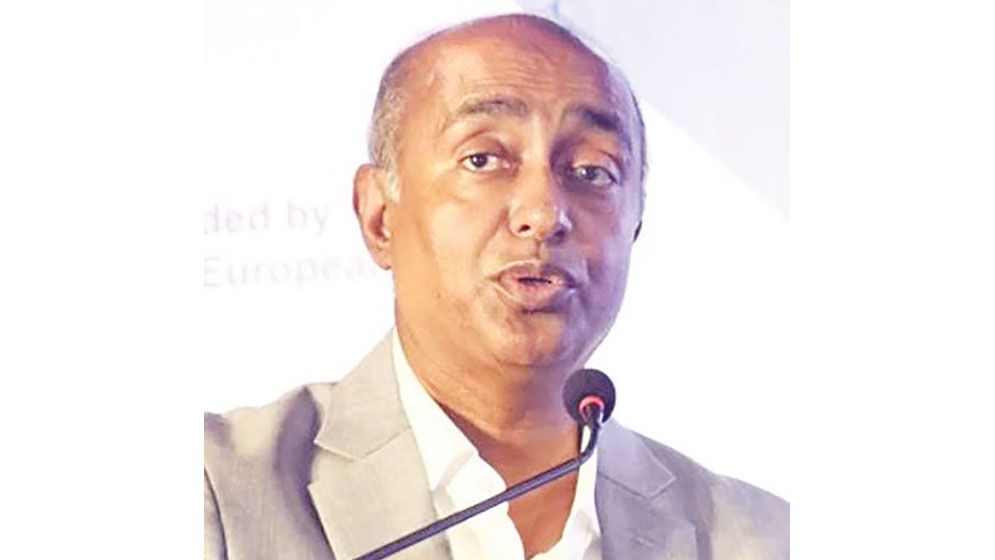
Law Minister Md Asaduzzaman said on Friday that Jamaat-e-Islami had indirectly conceded its role in the Liberation War by refraining from voting on an amendment to the National Freedom Fighters Council Act seeking to change the definition of a freedom fighter.
“The amendment added the words ‘the war also fought against the then Jamaat-e-Islami’ to the definition of a freedom fighter. Jamaat could cast no votes on the amendment. By participating in the parliamentary process and indirectly refraining from voting against it, Jamaat conceded that role in 1971,” he said.
The law minister made the remarks at a publication ceremony for the late Barrister Abdur Razzaq’s book, Bangladesh Jamaat-e-Islami: Its History and Politics, held at a hotel in Gulshan, Dhaka.
University Press Limited (UPL) organised the event to unveil the memoir, where the law minister delivered the closing remarks.
In 2016, he said, the top leadership asked Abdur Razzaq, a former assistant secretary general of Jamaat, to draft a statement regarding the party’s role in the 1971 war.
Commenting on the draft, the law minister said that had Jamaat signed it in 2016, many questions surrounding the party would have been resolved.
He said the book reflects Razzaq’s sustained vision and efforts to break Jamaat out of the circle of reactionary politics and transform it into a progressive Islamic party.
Discussing Abdur Razzaq’s ideas on an Islamic state, the minister said imposing an Islamic system of government from above was a “fallacy”. Rather, he said, Abdur Razzaq believed that an Islamic state should emerge through the development of Islamic values within society and through the way the state is governed.
The minister said he might disagree with Razzaq’s concept of an Islamic state, but regarded the book as a reflection of the late lawyer’s life, ideas, worldview and observations of society. Asaduzzaman expressed disappointment that senior Jamaat leaders and lawyers were not present at the book-launch programme. He said they could have attended the event and disagreed with Razzaq’s views, which, he noted, would have been consistent with democratic practice.
The minister said it was not necessary for anyone to agree with everything written by Abdur Razzaq, but rejecting criticism simply because it was uncomfortable was also inappropriate.