


 For all latest news, follow the Daily Sun's Google News channel.


Pakistan’s many faces: Subordinate, subservient yet duplicitous
StratNews Global
Published: 27 Oct 2026, 09:57 PM
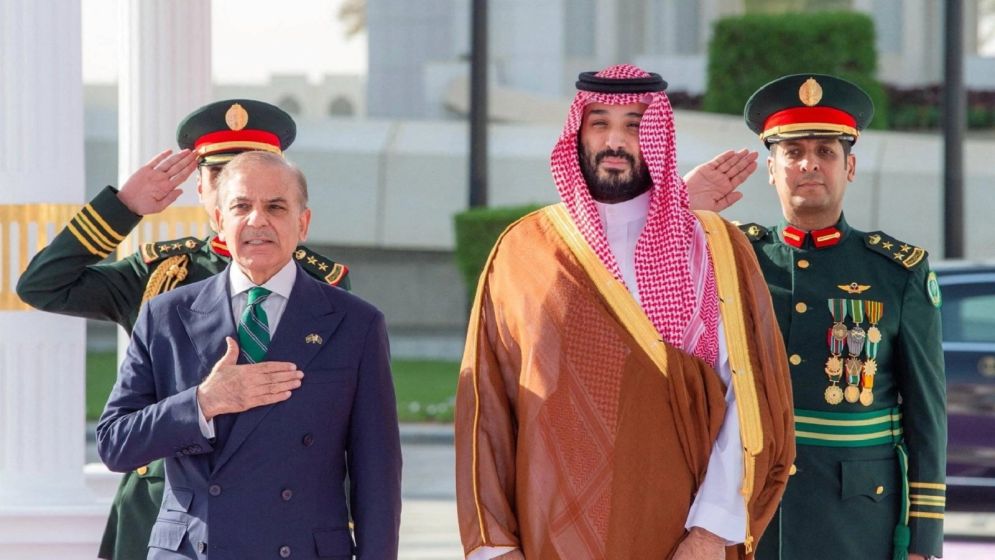
File Photo: Collected
Is Pakistan a client state of the US, subservient to
America’s imperial interests and its immediate allies in the region, the Gulf
monarchies?
Or a country that is ideologically fundamentalist, and
simultaneously, a client of China and an unpredictable ally of the US — one
that is capable of undermining the global hegemonon its own or in collaboration
with the Chinese?
The former view, according to an analysis in Dawn newspaper,
is widely shared by the Left, globally and also within Pakistan. Many recall
its partnership in the global anti-communist politics of the 1950s and 1960s.
The irony is, despite all its Islamist underpinnings,
successive regimes in Pakistan also sided “with global secularist interests in
subjugating both Islamic movements in the region and Muslim political identity
at home.”
The second view is shared by the US and Indian mainstream,
who cite CPEC and close military relations as an example of Chinese
clientelism, previous support to the Taliban during the invasion of Afghanistan
as an example of duplicity, and its approach to Kashmir, and its recent
diplomatic support for Iran.
But it’s no less true that Pakistan has been close to US
‘Imperial Interests’ for many years, and so also with China since the 1970s,
which as the analysis notes, “makes it hard to pin it down as a US ‘client’ of
the same ilk as Japan/ South Korea or the Gulf monarchies, or as a Chinese
client like North Korea.”
What is clear though is the subordinate role the Pakistani
state plays in global affairs, which means it may have limited agency but the
state still is able to understand where its interests lie and how to develop
them.
Pakistan’s ruling elite understand the ‘tough geography’
given them, an “existential threat from a more powerful eastern neighbour” and
therefore the need to forge relations with more powerful states. There is also the fact, the Dawn analysis
says, that Pakistan’s actions have added to its insecurities.
“Nor can it paper over the fact that the processes through
which the state recognises its context and develops its response are heavily
skewed towards a largely insulated military-bureaucratic state apparatus. Both,
in turn, lead to other domestic problems, including frequent civil-military
political conflict and law and order insecurity in the peripheries.”
The country’s economic dysfunction has added to the
problem. Each successive crisis of the
last four decades has found resolution via subordination in the geopolitical
domain:
Favour garnered with the Gulf monarchies via military
assistance or labour provision in exchange for reserve deposits; providing the
US with regional geopolitical support in exchange for IMF approval, or allowing
Chinese capital to make infrastructure investments to kickstart (fleeting)
economic growth.
Ultimately, each temporary staving off of an economic crisis has pinned down the state’s subordinate position.