


 For all latest news, follow the Daily Sun's Google News channel.


As the world once again observes World Press Freedom Day this month, the question facing South Asia is no longer whether journalists are being silenced through bullets alone, but whether fear itself has become the new weapon against the Fourth Estate. Across the region, press freedom continues to deteriorate under what many journalists describe as an “invisible crackdown” — a form of suppression that may not always involve killings, abductions or physical torture, but nevertheless creates a deep culture of fear, intimidation, surveillance and self-censorship.
British High Commissioner to Sri Lanka Andrew Patrick, marking World Press Freedom Day last week, aptly remarked that “a free press means a stronger democracy.” He also observed that Sri Lanka has a vibrant media landscape, with more English-language newspapers in daily circulation than even in the United Kingdom.
There is no doubt that misinformation and disinformation have contributed to rising polarisation in society, creating confusion and mistrust among communities. While governments argue that stronger regulation is needed to counter fake news and digital manipulation, many journalists fear that these measures are also being used to justify tighter control over the media.
As mistrust between the State and the Fourth Estate deepens, journalists increasingly find themselves trapped between public hostility, political pressure and institutional suspicion. Instead of strengthening transparency and democratic engagement, this climate has fuelled fear psychosis, harassment, intimidation and growing self-censorship among media workers.
According to the 2026 Reporters Without Borders (RSF) World Press Freedom Index, most South Asian countries remain in the lower tiers of global press freedom rankings. Governments are increasingly relying on anti-terror laws, cyber security regulations, digital surveillance, defamation provisions and intimidation tactics to pressure journalists and independent media institutions. What is especially alarming is that many of these restrictions now operate without visible violence. The media world has begun to realise that repression no longer requires public bloodshed to silence journalism.
Sri Lanka remains one of the clearest examples of this contradiction. A discussion titled “Media Freedom in Sri Lanka in Changing Political Context”, held on 11 May 2026, at the Sri Lanka Press Institute auditorium, highlighted growing concerns surrounding media freedom despite the absence journalist killings. The discussion, organised by Sri Lanka Press Institute in collaboration with Sri Lanka Editors’ Guild, Free Media Movement, and Sri Lanka Professional Journalists Association, brought together senior journalists and media activists, including Lasantha Ruhunuge, Lasantha De Silva, Sri Gajan, Mohamed Fairuz, representing the Muslim Journalists Association, and senior journalist Sulochana Ramiah Mohan.
One central question dominated the discussion: why does Sri Lanka continue to remain in the global “red alert” zone for press freedom even though there have been no recent murders or abductions of journalists since the end of the war?
Speakers noted that the killings and disappearances of journalists during Sri Lanka’s conflict years remain unresolved. The deaths and disappearances of media personnel continue to be commemorated annually across the island, becoming enduring symbols of injustice against the Fourth Estate. Internationally, Sri Lanka’s murdered journalists are often cited as examples of deep-rooted impunity. The crimes were described during the discussion as systematic, coordinated and politically protected. Editor of Virakesari, Sri Gajan, representing the Sri Lanka Editors’ Guild and the Tamil Journalists Association, stated that over 40 Tamil journalists had been killed or disappeared. He called upon global media organisations and international press freedom groups to unite in demanding justice and closure for the victims and their families.
Yet beyond the unresolved killings, journalists argue that surveillance and intimidation continue in quieter but equally damaging forms. Gajan pointed out that journalists covering sensitive issues, including the Chemmani mass grave excavations in the North of Sri Lanka, continue to face monitoring and intimidation. Reporters visiting such locations are allegedly questioned and subjected to surveillance, creating fear among journalists and encouraging self-censorship.
Senior journalist Lasantha Ruhunuge observed that journalists are increasingly being forced to rely on Right to Information (RTI) applications merely to obtain basic information from the government — information that should ordinarily be accessible to the public in a functioning democracy. “RTI applications take time, and journalists cannot depend on RTI for daily news reporting, but unfortunately that has now become the trend,” he said. This shift is a broader institutional culture where transparency is restricted and journalists are treated with suspicion rather than as public watchdogs.
The fear, many journalists argue, has simply evolved. Today’s repression has evolved into a far more subtle and sophisticated form. It may no longer come through overt violence alone, but through cyber monitoring, social media targeting, legal threats, online harassment, intelligence questioning, tax scrutiny and quiet institutional pressure. Even social media expression has become a source of anxiety. Journalists speaking critically online increasingly fear investigations, complaints or digital censorship.
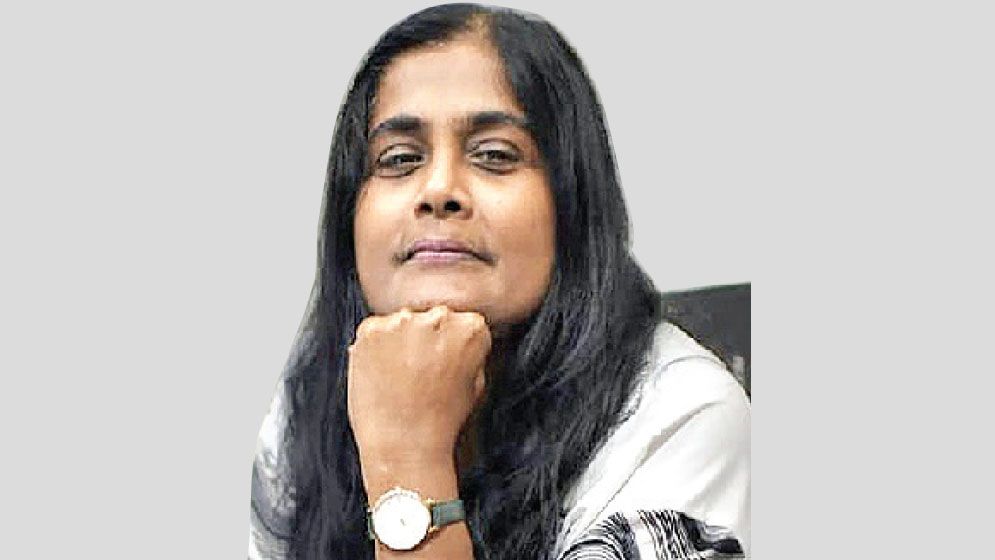
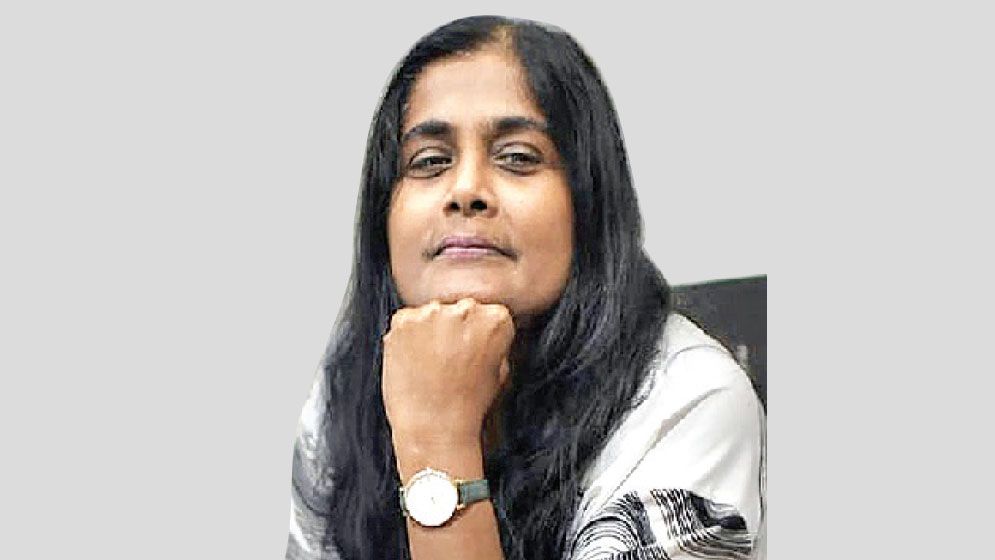
Senior journalist Sulochana Mohan shared during the discussion her own experiences of stress and intimidation after an incident involving alleged police harassment. She noted that a post on X.com had reportedly drawn the attention of Criminal Investigation Department, with authorities allegedly contacting the platform regarding the content and requesting to ‘remove’ it. Such incidents, while not physical torture, create psychological trauma and reinforce fear among journalists already operating in a fragile environment. There is no reason given for such a move taken by the CID despite an email sent to the relevant authority.
Mohamed Fairuz, representing journalists from Sri Lanka’s Eastern Province, warned that regional correspondents face even greater vulnerability. He stated that many journalists outside Colombo work under intense surveillance and fear reprisals for reporting sensitive issues. Many regional newspapers have been halted from printing too. He also noted that several regional newspapers had reduced or avoided controversial reporting due to fear of repercussions. According to him, even Tamil translations of the Quran printed overseas have reportedly been detained by Sri Lanka Customs. In addition, books authored by Tamil journalists and writers have also allegedly been withheld at Customs in recent times, drawing criticism from media and civil society groups over concerns relating to freedom of expression and access to literature.
Fairuz further raised concerns about how discussions surrounding the Easter Sunday attacks continue to generate fear among journalists, particularly Muslim journalists and writers. According to him, many reporters avoid pursuing such stories because of intimidation and suspicion.
This climate mirrors broader regional trends across South Asia. India, ranked 157th in the 2026 RSF Index, continues to face criticism over raids on independent media institutions, pressure on investigative journalists, and increasing legal action under anti-terror and anti-state laws. Pakistan and Bangladesh remain under scrutiny for disappearances, censorship, surveillance and political pressure on journalists. Afghanistan remains one of the world’s harshest environments for media workers under Taliban rule, especially for women journalists.
Lately, in Maldives, independent news outlet Adhadhu was raided by police, with laptops, hard drives and other electronic equipment confiscated following the publication of a documentary containing allegations of sexual misconduct against Maldivian President Mohamed Muizzu. Authorities stated that the raid was part of an ongoing criminal investigation linked to the documentary, while press freedom groups and journalists condemned the operation as an act of intimidation against independent media.
Across the region, governments are increasingly using cybercrime legislation, sedition-related provisions, digital security laws and national security frameworks to criminalise journalism.
Economic pressure has also emerged as a powerful tool of control. Independent media organisations increasingly face withdrawal of state advertising, lawsuits, licensing pressure, ownership interference and financial strangulation.
South Asia’s press freedom crisis is ultimately tied to broader political realities as well — rising nationalism, democratic decline, securitisation of the State, weak institutions and growing intolerance of dissent.
When journalists are intimidated into silence, societies themselves become silenced. Such conditions inevitably attract international scrutiny and concern, often leading to foreign intervention in the form of diplomatic pressure, human rights investigations or global monitoring. The repercussions can be severe, including sanctions, reduced investor confidence and the loss of international loans, grants and development assistance. The struggle for press freedom in South Asia is, therefore, no longer simply about preventing killings. It is about recognising that when the Fourth Estate is suppressed, truth becomes controlled.
__________________________________________
The writer is an award-winning journalist and the Deputy Editor of Ceylon Today