


 For all latest news, follow the Daily Sun's Google News channel.


Nasrul’s network accused of controlling LNG trade
Alleged links with international suppliers and local businesses raise questions over procurement; Bangladesh spent Tk2.77 lakh crore on LNG imports in eight years
Daily Sun Report, Dhaka
Published: 24 Nov 2026, 12:00 AM
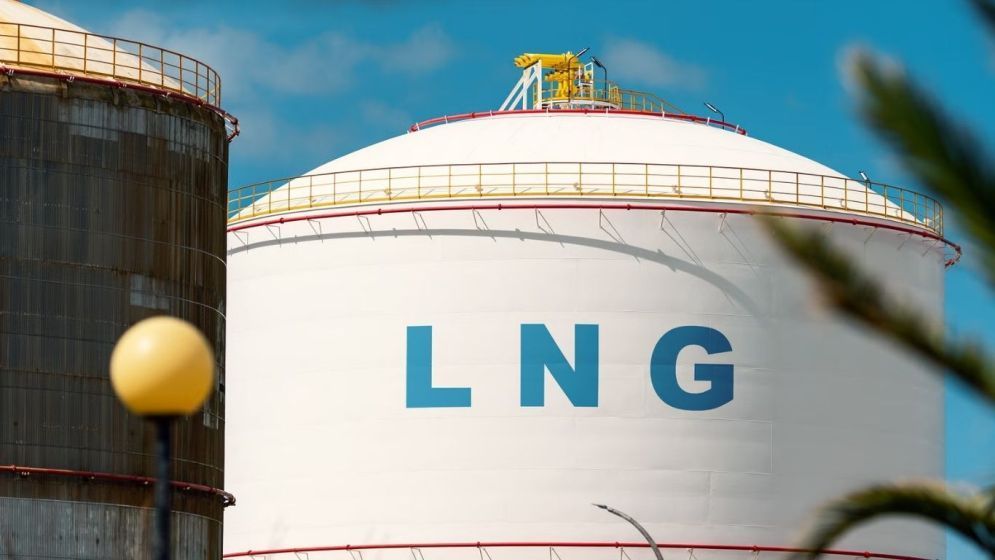
Photo: Collected
A network of business associates and family members of former state minister for power, energy and mineral resources Nasrul Hamid allegedly exercised significant influence over Bangladesh’s liquefied natural gas (LNG) import business during the Awami League government, according to an investigation.
The investigation alleges that the network had links with international LNG suppliers, local representatives and businesses, creating opportunities for commission-based transactions in the import trade. Nasrul Hamid has been identified in the report as a central figure in the alleged network. However, the allegations could not be independently verified.
Petrobangla data show that Bangladesh spent Tk277,239 crore on LNG imports over eight financial years, from FY2018-19 to FY2025-26. The government also provided Tk51,366 crore in subsidies during the period.
Import expenditure reached Tk58,787 crore in FY2025-26, while subsidies stood at Tk14,600 crore.
The investigation found that a handful of international companies dominated spot-market LNG supplies before the fall of the Awami League government. Singapore-based Vitol Asia and Gunvor together supplied more than 60% of the imported LNG, according to the report.
Petrobangla sources cited in the investigation said Bangladesh imported 130 LNG cargoes from the spot market between 2020 and December 2025. Vitol Asia Pte supplied 40 of them. TotalEnergies and Excelerate Energy were also among the major suppliers.
The report alleges business connections between Vitol Asia and Gunvor and several people linked to Nasrul Hamid, including members of his family, friends and individuals associated with his family business, Hamid Group.
One company mentioned in the investigation is PowerCo International, registered in Dhaka in 2019. Its website lists LNG and liquefied petroleum gas (LPG) supply and power-sector activities, and it has a commercial office in Singapore.
According to the Registrar of Joint Stock Companies and Firms, PowerCo was initially registered with Nasrul Hamid’s maternal uncle, Md Kamruzzaman Chowdhury, and Indian national Nabil Khan as partners. In December 2020, Kamruzzaman was replaced by Md Murad Hasan, who became the company’s managing director.
Murad Hasan is also the chief executive officer of Hamid Group, the former minister’s family business. The investigation alleges that the company had a business partnership with Vitol Asia.
The report also identifies Ejazur Rahman as a local representative of Vitol Asia and Gunvor. It alleges that he was brought into the LNG business through Nasrul Hamid and had business links with the former minister’s younger brother, Intekhabul Hamid. The investigation further raises questions about a proposed LPG terminal project involving Vitol Asia, Japan’s Marubeni Corporation and PowerCo International. The three companies formed a consortium, and the Bangladesh Petroleum Corporation (BPC) signed a memorandum of understanding with it in March 2021. A consultant was appointed for the project in FY2022-23, but subsequent activities, including the feasibility assessment, have reportedly stalled.
The procurement process has also come under scrutiny. During the previous government, around 23 companies were listed to supply LNG from the spot market under master sales and purchase agreements (MSPAs). The investigation alleges that many companies were reluctant to participate in tenders because they believed that companies linked to influential quarters would eventually secure the contracts.
The former government had used the Speedy Supply of Power and Energy (Special Provisions) Act to facilitate rapid energy procurement without open tenders. Decisions taken under the law could not be challenged in court, and its validity was extended several times despite criticism.
After taking office, the interim government announced on 18 August 2024 that new procurement under the special provisions law would be suspended, although existing agreements would remain in force. On 4 September, the Advisory Council Committee on Economic Affairs reapproved the previous list of 23 suppliers.
Energy experts have argued that Bangladesh's growing dependence on imported LNG has come at the expense of domestic gas exploration and production. They say greater investment in local exploration could have reduced the country's reliance on costly imports and the scope for alleged commission-based dealings.
Nasrul Hamid could not be reached for comment as he has remained out of public contact since the fall of the Awami League government.
Meanwhile, global supply disruptions linked to the conflict in the Middle East have pushed LNG prices sharply higher in 2026, adding to pressure on Bangladesh's foreign exchange reserves.
LNG prices, which ranged between $10 and $12 per million British thermal units (MMBtu) at the beginning of the year, have risen to around $30, according to the information provided in the investigation.
Bangladesh imported 34 LNG cargoes between July and October of the current financial year at a cost of Tk30,649 crore. Subsidies during the four months reached Tk17,400 crore, against a full-year allocation of only Tk6,500 crore. Petrobangla Director (Finance) AKM Mizanur Rahman said that the global situation had created significant pressure on fuel import costs. At one stage, LNG was unavailable even at high prices in the spot market, prompting the government to seek supplies from alternative sources. He said Petrobangla was pursuing imports through direct procurement methods as well as short- and medium-term contracts to maintain energy supplies.
Under normal market conditions, the price difference between LNG bought under long-term contracts and spot-market purchases is around $2 per MMBtu, he said. However, the gap has become difficult to determine following the conflict.
Read More