


 For all latest news, follow the Daily Sun's Google News channel.


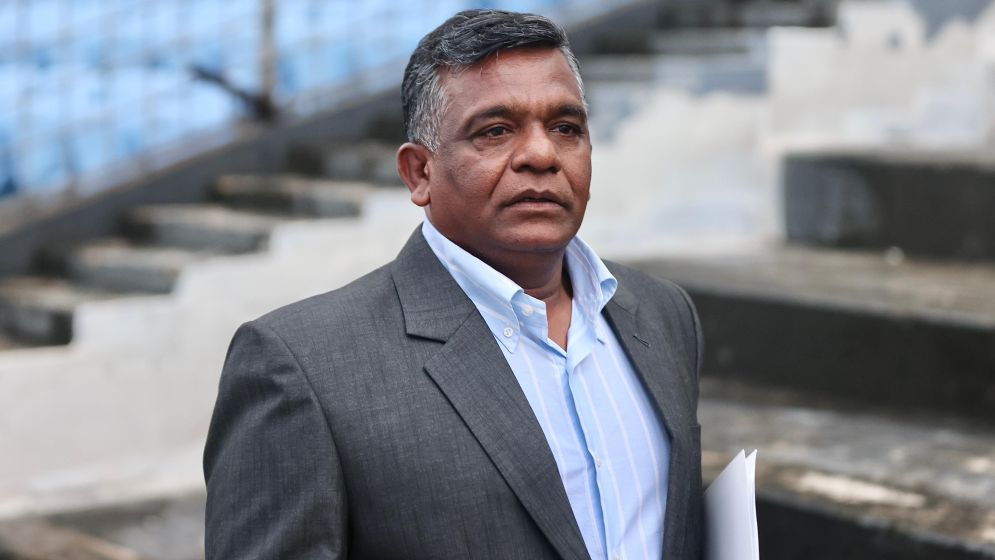
File Photo
The Bangladesh Nationalist Party-led political alliance formed the government after securing an absolute majority in the parliamentary elections held on 12 February.
The new administration distributed responsibilities among its ministries with the swearing-in of ministers and state ministers on Tuesday. Since then, rumours have been circulating that the elected committee of the Bangladesh Cricket Board (BCB) could be dissolved under the new government.
Former Bangladesh football team captain and BNP Dhaka North convener Aminul Haque was vocal in protesting the direct interference of the then interim government’s sports adviser in the BCB board of directors’ election on 6 October last year.
The appointment of the SAFF Championship-winning captain as the State Minister for Youth and Sports has intensified concerns over the possible expiry of the term of the BCB board of directors, led by Aminul Islam Bulbul. Many observers are also apprehensive that Bulbul could lose his position after leaving Dhaka for Melbourne on 16 February to spend time with his family.
If the 25-member board of directors were to be dissolved, the BCB could face sanctions from the International Cricket Council (ICC). Assuming the ICC will not tolerate government interference in an elected board, a group of sports organisers—who withdrew their candidacy in the last BCB election—is pursuing legal action to vacate the positions of Bulbul and 10 Category-1 directors.
Bulbul is alleged to have bypassed constitutional procedures to secure a list of preferred councillors from Category-1, ignoring the stipulated nomination process for representatives from regional and district cricket associations outlined in Clauses 9.1(a) and (b) of the existing BCB constitution. Reports indicate that Bulbul sent a letter to the Secretary of the Ministry of Youth and Sports, as well as to the Divisional and District Sports Associations, on 18 September.
The letter called for the cancellation of the councillorships of 53 individuals who had legally submitted their forms to the BCB, complete with signatures from District Administrators and Divisional Commissioners. Instead, he proposed nominating new councillors from ad-hoc committees of the District and Divisional Sports Associations—a move for which the BCB constitution provides no authority once the election schedule has been announced.
Consequently, on 21 September, three aspiring councillors from Tangail, Lakshmipur, and Gopalganj filed a writ petition in the relevant branch of the High Court, challenging the legality of Bulbul’s letter. Ahead of the BCB elections, the High Court issued a stay order on the effectiveness of the BCB president’s directive regarding the nomination of councillors for the General Council. However, the Appellate Division of the Supreme Court subsequently stayed that High Court order.
Under this legal standing, the BCB elections went ahead, with former sports adviser Asif Mahmud Shojib Bhuyain and Bulbul reportedly selecting their preferred directors from the districts and divisions. Since the case has not yet been fully resolved, the opposition now hopes to revive the lawsuit to secure a court order vacating the positions of the Category-1 directors elected under this process.
Should the High Court’s Appellate Division rule against Bulbul, 10 Category-1 director positions—including those held by Bulbul and Nazmul Abedeen Fahim—would become vacant. Additionally, the Chairman of the National Sports Council (NSC) would have the authority to vacate the two positions reserved under the NSC quota if they so choose.
Legal precedent also weighs heavily in this debate. Towards the end of the Awami League government’s second term (1996–2001), specifically in February 2001, the BCB conducted board elections without obtaining NSC approval for its amended constitution. That elected board was subsequently unable to complete its full term. In August 2002, a High Court writ petition resulted in an injunction against the activities of the BCB’s elected board. Organisers who boycotted the recent BCB elections are drawing inspiration from this precedent.
Following the July revolution, most of the BCB board of directors, including elected president Nazmul Hasan Papon, left the country. Under the interim government, a BCB meeting was held with only one-third of directors present to meet the quorum. With the significant vacancies now present in the board, there is growing speculation about the possibility of holding elections for these positions under Article 14.2.1(c) of the constitution. This could create an opportunity for skilled sports organisers from BNP-leaning circles to enter the BCB.
After courting controversy over the elections, Bulbul now faces intense backlash from those who boycotted the polls, with legal avenues being actively explored to remove him. According to Section 15.2 of the BCB constitution, a director’s position becomes vacant if they miss three consecutive meetings. Should Bulbul extend his stay in Australia, the opposition may use this provision against him.
Bulbul has reportedly informed directors in writing that he will return to Bangladesh soon. Yet, with mounting pressure from multiple sides, questions remain: will he return promptly to confront these challenges, or will he participate virtually while abroad? Under the current circumstances, convening a BCB board meeting is expected to become increasingly difficult.
Is the final bell ringing for Bulbul’s tenure as president? Has the countdown to his departure truly begun, or will a “green signal” from the International Cricket Council allow him to remain in his post? These are the questions currently circulating across the country’s cricket fraternity.