


 For all latest news, follow the Daily Sun's Google News channel.


Mistakes that can undermine your worship
Maulana Hanif Ashrafi
Published: 25 Aug 2026, 09:16 AM
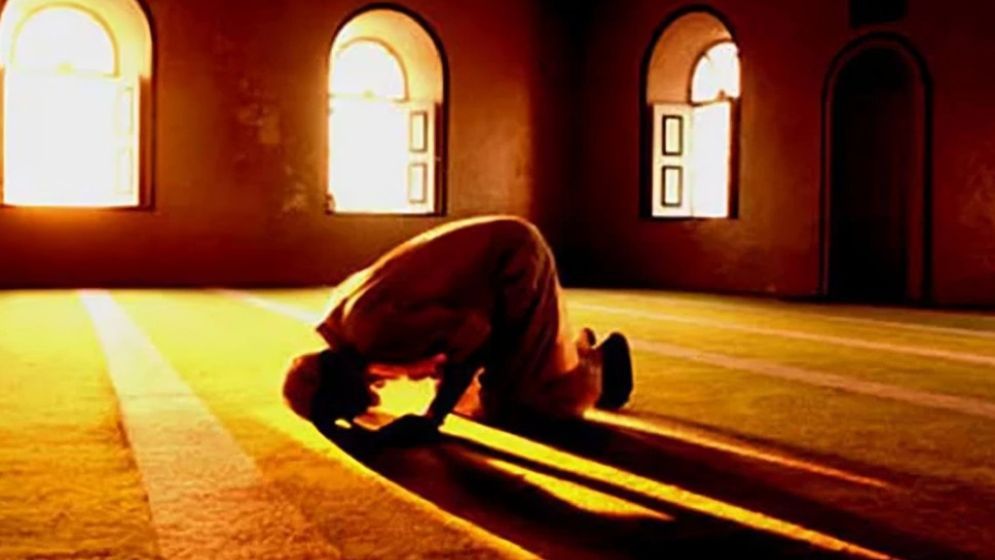
Photo: Collected
Islam encourages many acts of worship to be performed privately: giving charity secretly, reconciling people, making someone happy, praying for someone in their absence, and performing good deeds away from public attention.
But performing good deeds alone is not enough; it is equally important to safeguard them. How many people have worshipped for years, only for a disease of the heart or tongue to destroy their deeds or diminish their reward?
That is why Muslim scholars have always emphasised not only performing good deeds but also preserving them. Here are some important mistakes that can damage or weaken private acts of worship:
Hidden ostentation
This is one of the most dangerous spiritual diseases because people often fail to realise that ostentation has entered their hearts. A person may begin an act of worship purely for Allah, but later feel pleased when others learn about it, feel hurt when they are not praised, or stop performing certain good deeds when no one is watching.
Allah the Almighty says: “So whoever would hope for the meeting with his Lord, let him do righteous work and not associate anyone in the worship of his Lord.” (Surah Al-Kahf, 18:110)
The Messenger of Allah (PBUH) said: “The thing I fear most for you is minor shirk.” The Companions asked, “What is minor shirk?” He replied, “Showing off.” (Musnad Ahmad, Hadith 23630)
Taking pride in one’s deeds
After performing good deeds, a person may become impressed with himself and consider himself better than others. This too is an extremely dangerous spiritual disease. The more a person’s good deeds increase, the greater his humility should become.
Allah says: “So do not claim yourselves to be pure. He knows best who is righteous.” (Surah An-Najm, 53:32)
Reminding others of favours and causing them hurt
Someone may give charity secretly but later repeatedly remind the poor person of the donation. Or they may maintain family ties and then boast about the favour they have done for their relatives.
Allah the Almighty says: “O believers! Do not invalidate your charities with reminders and hurtful words.” (Surah Al-Baqarah, 2:264)
Belittling small good deeds
One of Satan’s major traps is to make people believe that small deeds have no value. As a result, people may take lightly smiling and speaking kindly, doing a little dhikr, praying for a fellow Muslim, removing something harmful from the road or giving a small amount in charity.
The Messenger of Allah (PBUH) said: “Protect yourself from the Fire even by giving half a date in charity; and if you cannot find even that, then by saying a good word.” (Sahih al-Bukhari, Hadith 6540)
Therefore, no good deed should ever be considered insignificant.
Becoming impatient for quick results
Some people say, “I prayed, but I have seen no result.” Others say, “I reconciled people, but they did not change.”
Such thoughts can be a means through which Satan creates despair. The Messenger of Allah (PBUH) said: “The supplication of any one of you will continue to be answered so long as he is not hasty and says: ‘I supplicated, but my supplication was not answered.’” (Sahih al-Bukhari, Hadith 6340)
Abandoning worship after committing a sin
Someone may commit a sin and then think, “I am a sinner; I have no right to pray Tahajjud,” or “How can I make dua?” or “How can I read the Quran?”
This is one of Satan’s greatest deceptions. Allah the Almighty says: “Say, ‘O My servants who have transgressed against themselves, do not despair of the mercy of Allah.’” (Surah Az-Zumar, 39:53)
Therefore, after committing a sin, one should return to repentance and good deeds with even greater determination.
Looking down on others because of one’s worship
Someone may maintain their private acts of worship but gradually begin to look down on people who commit sins. This is not the teaching of Islam.
The Messenger of Allah (PBUH) said: “It is enough evil for a person to hold his Muslim brother in contempt.” (Ibn Majah, Hadith 4213)
Being preoccupied with other people’s deeds while neglecting self-correction
Some people become preoccupied with assessing how much others worship, how many sins they commit and how many mistakes they make, while failing to examine their own hearts and deeds.
Allah says: “Rather, man will be a witness against himself.” (Surah Al-Qiyamah, 75:14)
Failing to pray for the acceptance of one’s deeds
Muslim scholars were fearful that their good deeds might not be accepted even after performing them. When Ibrahim and Ismail (peace be upon them) were building the Kaaba, they prayed to Allah: “Our Lord, accept this from us. Indeed, You are the All-Hearing, the All-Knowing.” (Surah Al-Baqarah, 2:127)
Think about it: they were building the House of Allah, yet they still prayed for their deed to be accepted. So how much more should weak people like us ask Allah to accept our deeds?