




 For all latest news, follow the Daily Sun's Google News channel.


Strait of Hormuz Explained: Why It Matters to the World
Let's explore what the Strait of Hormuz is, where it is located, why it is so important, and what could happen if it were ever blocked.
Daily Sun Report, Dhaka
Published: 02 Mar 2026, 04:19 PM

Strait of Hormuz-strategically important waterways in the world.
The Strait of Hormuz is one of the most strategically important waterways in the world. Although it is relatively narrow in size, its global impact is enormous. From oil transportation to military strategy and international diplomacy, this small stretch of water affects economies around the world.
What is the Strait of Hormuz?
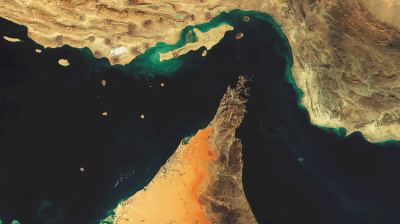
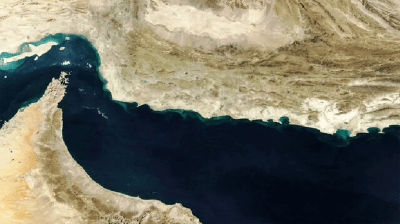
The Strait of Hormuz is a narrow waterway that connects the Persian Gulf with the Gulf of Oman and the Arabian Sea. It serves as the only sea route from the oil-rich Persian Gulf to the open sea.
At its narrowest point, the strait is about 33 kilometers (21 miles) wide. However, the shipping lanes used by oil tankers are much narrower, making the area highly sensitive and strategically risky.
Despite its small size, it plays a huge role in global trade and energy security.
The Strait of Hormuz is located between Iran to the north and Oman and the United Arab Emirates to the south. It serves as a gateway for countries such as Saudi Arabia, Iraq, Kuwait, Qatar, and the United Arab Emirates to export oil and natural gas to global markets.
Geographically, it connects:
The Persian Gulf
The Gulf of Oman
The Arabian Sea
The Indian Ocean
Due to this location, it is considered one of the most important maritime junctions in the world.
Why Is the Strait of Hormuz So Important?
1. Global Oil Supply Route
Approximately 20% of the world's oil consumption passes through the Strait of Hormuz every day. Millions of barrels of crude oil and liquefied natural gas (LNG) are transported through this route to Asia, Europe, and North America.
Major energy-producing nations rely on this passage to export oil. Any disruption in this region can immediately impact global oil prices.
Countries such as China, India, Japan, and South Korea depend heavily on oil shipments passing through this strait.
2. Impact on Global Oil Prices
Oil prices are highly sensitive to geopolitical tensions. Even rumors of instability in the Strait of Hormuz can cause crude oil prices to rise sharply.
If shipping is delayed, attacked, or restricted, global markets react instantly. Higher oil prices affect:
- Transportation costs
- Electricity production
- Manufacturing
- Food prices
- Inflation rates worldwide
Because oil is deeply connected to nearly every industry, disruptions here can create a global economic ripple effect.
3. Strategic Military Importance
The Strait of Hormuz is not just an economic chokepoint; it is also a military hotspot.
Iran controls the northern side of the strait and has repeatedly stated that it could block the waterway if threatened. The United States maintains a strong naval presence in the region to ensure freedom of navigation.
Over the years, tensions between Iran and the United States have increased military activities in the area. Warships, surveillance operations, and naval exercises are common.
This makes the strait one of the most militarized maritime zones in the world.
Historical Tensions and Conflicts
The Strait of Hormuz has been at the center of several geopolitical conflicts.
The Tanker War (1980s)
During the Iran-Iraq War, both sides attacked oil tankers in the Persian Gulf. This period became known as the “Tanker War,” and it highlighted how vulnerable global oil supplies were to regional conflict.
Modern-Day Incidents
In recent years, there have been multiple incidents involving oil tankers being seized or attacked. These events have heightened fears of escalation between regional and global powers.
Whenever tensions rise, global markets respond with uncertainty.
What Happens If the Strait of Hormuz Is Blocked?
A complete blockage of the Strait of Hormuz would have serious global consequences.
1. Massive Oil Price Surge
Oil prices could spike dramatically within days. Since nearly one-fifth of global oil passes through the strait, supply shortages would drive prices up.
2. Global Economic Slowdown
Higher fuel prices would increase transportation and production costs. This could lead to:
Higher inflation
Stock market declines
Slower economic growth
Recession risks in oil-dependent countries
3. Military Escalation
A blockade would likely trigger an international military response. Major powers would intervene to reopen the shipping lanes, potentially escalating into a broader regional conflict.
Are There Alternative Routes?
Some countries have tried to reduce dependence on the Strait of Hormuz by building pipelines that bypass the waterway.
For example:
Saudi Arabia has pipelines running to the Red Sea.
The UAE has developed routes that allow oil exports without passing entirely through the strait.
However, these alternatives cannot fully replace the massive volume of oil transported daily through Hormuz.
Why the World Closely Watches This Region?
The Strait of Hormuz matters not just to Middle Eastern countries, but to the entire world.
Energy security is directly tied to economic stability. When energy supply is threatened, global markets react immediately. Governments, investors, and corporations constantly monitor developments in the region.
The strait represents more than just a shipping lane — it is a symbol of how interconnected global trade and geopolitics have become.
The Future of the Strait of Hormuz
As global energy demand continues and geopolitical tensions remain high, the Strait of Hormuz will likely stay a critical flashpoint.
However, the world is also gradually shifting toward renewable energy sources. If dependence on oil decreases in the coming decades, the strategic importance of the strait may reduce slightly — but not anytime soon.
For now, it remains one of the most vital arteries of the global economy.
The Strait of Hormuz may appear small on the map, but its global influence is enormous. It is a key route for oil transportation, a geopolitical hotspot, and a strategic military zone.
Any disruption in this narrow waterway can impact oil prices, global trade, and international security. That is why policymakers, investors, and governments around the world closely monitor developments in the region.
Understanding the importance of the Strait of Hormuz helps us better grasp how energy, politics, and global economics are deeply connected.
FAQ Section-
1. Why is the Strait of Hormuz so important to the world?
The Strait of Hormuz is one of the most critical oil transit routes globally. Around 20% of the world’s petroleum supply passes through this narrow waterway, making it vital for global energy security and international trade.
2. Which countries control the Strait of Hormuz?
The strait is bordered by Iran to the north and Oman to the south. Both countries share territorial waters in the region, but due to geopolitical tensions, Iran often plays a central role in security discussions.
3. What happens if the Strait of Hormuz is blocked?
If the Strait of Hormuz were blocked or disrupted, global oil prices would likely surge immediately. Countries that depend heavily on Middle Eastern oil exports could face supply shortages, economic instability, and rising fuel costs worldwide.
Stay updated with all the news from across the country with Daily Sun.
Recommended Stories