


 For all latest news, follow the Daily Sun's Google News channel.


Saudi crown prince moved between fortified palaces amid Houthi attacks
The Independent, London
Published: 13 Oct 2026, 02:26 AM
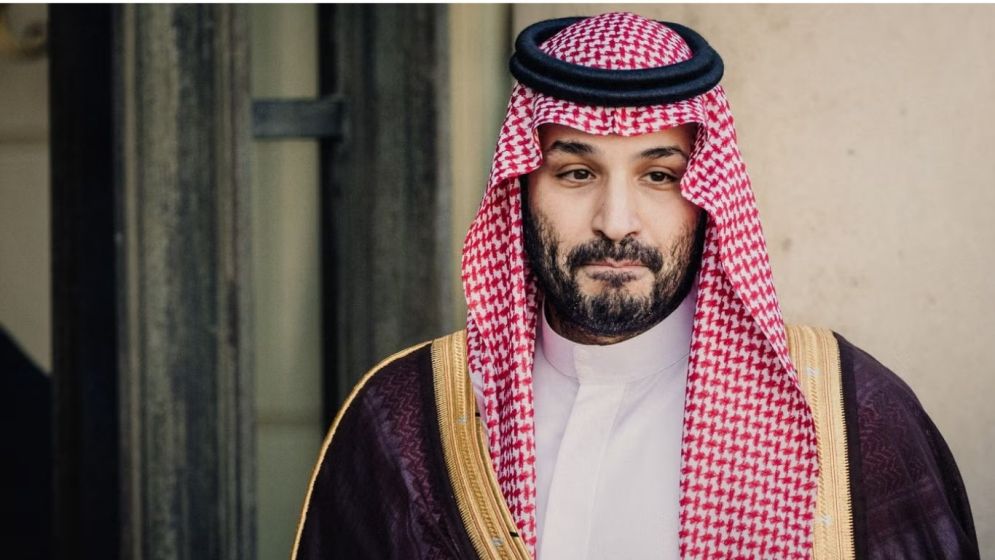
Portrait of Mohammed bin Salman bin Abdulaziz Al Saud Crown Prince and Prime Minister of Saudi Arabia on his arrival before a meeting with the President of the French Republic at the Elysee Presidential Palace in Paris France on 24 August 2026. Photo: AFP
Saudi Crown Prince Mohammed bin Salman is being moved between heavily guarded palaces equipped with bunkers as Houthi attacks intensify, according to a Wall Street Journal report citing officials familiar with his movements.
The security measures come amid escalating tensions following an attack on Riyadh’s King Khalid International Airport on Saturday. The attack reportedly killed 13 people and injured at least 300, making it one of the most serious attacks on Saudi Arabia in a decade.
US President Donald Trump has said he is considering joining Saudi strikes against the Houthis, while Riyadh’s allies have also expressed support for the kingdom.
The 41-year-old crown prince has not appeared in public since Tuesday, when he took part in a national blood donation campaign, according to the report.
He is being protected by a handpicked security team as fighting intensifies between Saudi Arabia and Yemen’s Houthi rebels.
The Independent said it had contacted the Saudi foreign ministry for comment.
A Houthi spokesperson reiterated the group’s intention to target Saudi airports. King Khalid International Airport, which has been struck four times in five days, has remained closed since the weekend missile attack.
Around 60% of scheduled flights at the Riyadh airport were expected to be cancelled on Monday, according to data from aviation analytics firm Cirium.
Saudi Energy Minister Prince Abdulaziz bin Salman said the kingdom’s response would be “equally serious”, given the gravity of the attacks.
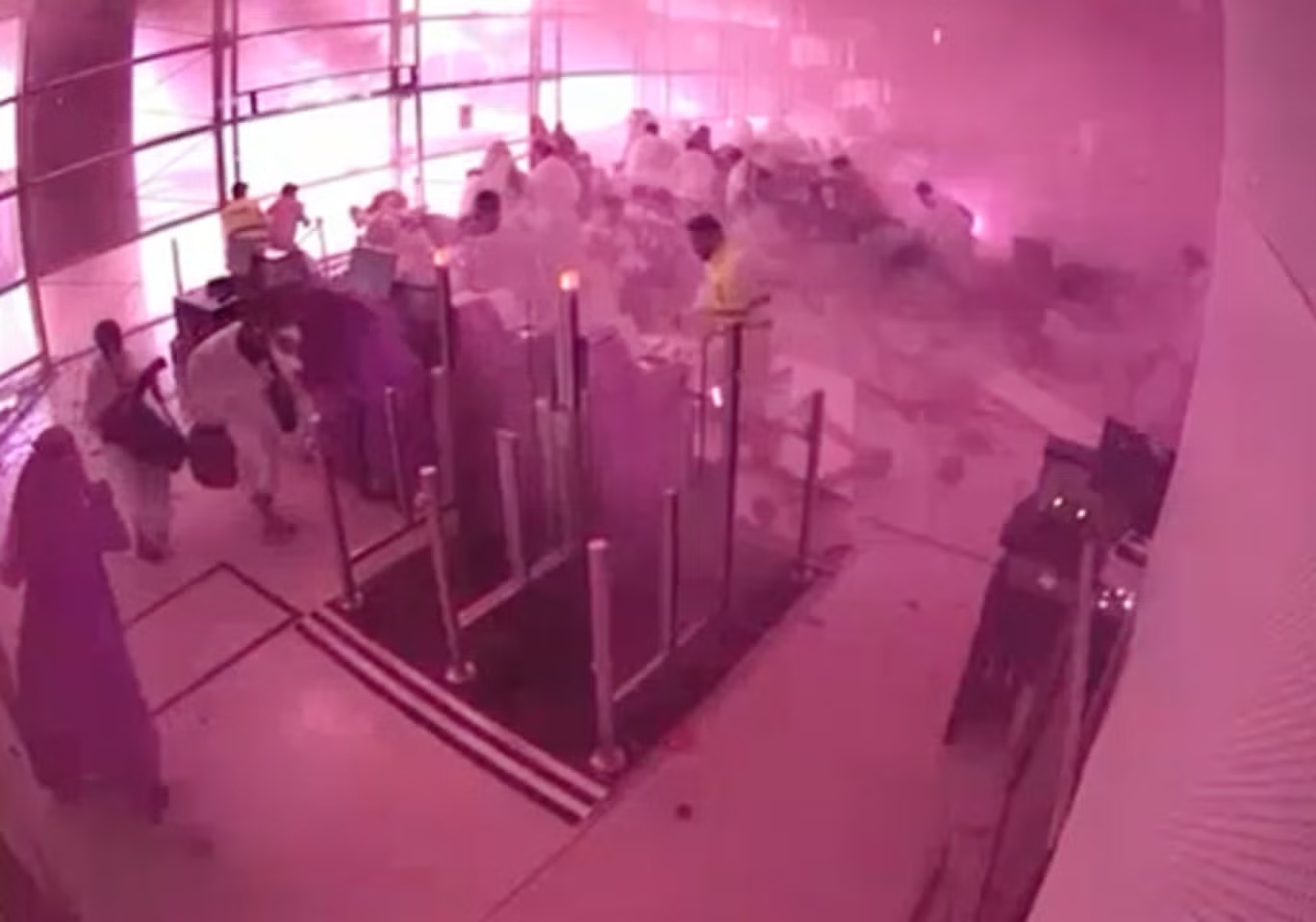
This image from CCTV video released by Saudi Arabia's Media
Ministry shows passengers taking cover as flames and smoke fill part of King
Khalid International Airport in Riyadh, Saudi Arabia, during what authorities
described as a strike at the airport on Saturday, 10 Oct. 2026.
Saudi Media Ministry.
Saudi officials have also warned that the kingdom is running short of interceptors needed to defend against further strikes.
The kingdom has asked France, Britain, Pakistan and Egypt to provide air defence support to the region, officials told The Associated Press last month. One official said the United States had also seen its interceptor stocks decline during the war involving Iran.
The conflict between Saudi Arabia and the Houthis has its roots in Yemen’s civil war. Saudi Arabia intervened in 2015 in support of the internationally recognised Yemeni government.
A fragile ceasefire agreed in 2022 broke down in July this year amid the wider US-Israeli war involving Iran. The Houthis resumed attacks after accusing Saudi Arabia of targeting Sanaa airport while an Iranian aircraft was attempting to land.
The Houthis, who receive support from Iran, are among Tehran’s most heavily armed regional allies.
Iranian military spokesperson Esmail Baghaei said Tehran was “deeply concerned about developments in the Arabian Peninsula”, adding that continued fighting would benefit Israel.
Saudi and Iranian foreign ministers also spoke late on Sunday about the escalation, according to reports. Iranian Foreign Minister Abbas Araghchi warned against relying on military action while ignoring the political dimensions of the conflict. He said Tehran was prepared to help facilitate dialogue between Saudi Arabia and the Houthis.